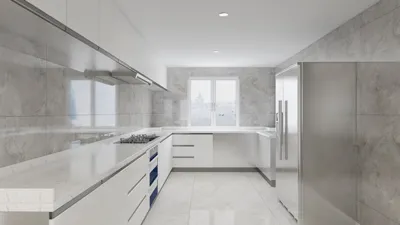


For over ten years, I have been assisting homeowners through every stage of their journey from initial sketches to moving into their new homes. Successful projects often follow a common theme: a defined scope, proper sequencing, and decision-making based on solid evidence. Breaking down DIY home construction into manageable steps while adhering to local building codes, and confirming each phase before proceeding can lead to excellent results. Using tools like Homestyler can greatly enhance this planning process.
Establishing safety and comfort starts with adherence to essential standards. The WELL Building Standard highlights the significance of sufficient daylight exposure and glare management in enhancing sleep quality and work performance. Its guidelines for thermal and acoustic conditions support reduced fatigue (WELL v2). Research from Steelcase indicates that inadequate acoustics can diminish cognitive effectiveness and elevate stress levels; planning spaces with sound-absorbing materials facilitates improved concentration and well-being. I rely on these resources to anchor my decisions beyond mere instinct.
Scope, Budget, and Timeline Definition
Begin with a clearly documented scope detailing the total square footage, the number of bedrooms and bathrooms, garage space, and any special areas such as workshops. Create a budget that includes a contingency of around 10-15% to accommodate unforeseen expenses related to soil conditions, utilities, or materials. Develop a realistic timeline that considers the time required for permits and inspections. Research from Steelcase points out that uncertainty can be a significant source of stress; having a well-defined schedule can alleviate decision fatigue and align various trades effectively.
Choosing a Site and Its Orientation
Select a site that features stable soil, efficient drainage, and optimal sunlight access. Position living spaces to capture morning sunlight while minimizing afternoon heat. The IES advises on the importance of vertical illumination targets and glare reduction strategies to ensure visual comfort (IES standards). Careful positioning of windows and mindful orientation makes it easier to achieve these goals without excessive reliance on artificial lighting. Additionally, consider natural ventilation from prevailing winds and site service drives away from main entrances to reduce noise.
Permitting, Codes, and Professional Oversight
Involve your local building department early in the process. Even experienced DIY builders benefit from consulting a structural engineer for foundation specifics and a licensed electrician for service layout. WELL v2 indicates ventilation and filtration standards that help inform the sizing of mechanical systems, ensuring better indoor air quality throughout the home's lifespan. Keep organized records with stamped drawings, inspection documents, and product specifications in an easily accessible binder.
Developing Concepts and Room Layouts
Translate your needs into a comprehensive plan that includes adjacency diagrams, traffic flow paths, and furniture layouts. Position bedrooms away from noisy mechanical spaces, using closets as sound buffers. The kitchen design should optimize the work triangle (sink, cooktop, refrigerator) to remain within a total distance of 12 to 26 feet. If you want to explore various furniture arrangements and circulation pathways, using a layout tool like Homestyler can help you visualize aspects such as sightlines, access to daylight, and spatial clearances before finalizing your decisions.
Foundation and Framing Essentials
Conduct a soil analysis and confirm the frost depth before pouring your foundations and footings according to the engineered design. While framing, ensure straight lines and right angles by using story poles and laser levels. Plan for structural spans that minimize waste—using standard sizes for lumber and sheathing typically leads to module widths of 16" or 24" on-center. Keep mechanical chases unobstructed as you frame to avoid future limitations.
Building Envelope: Sheathing, Weather-resistance, and Insulation
Apply exterior sheathing, securely tape seams, and install a continuous weather-resistive barrier. Choose insulation types according to your climate; higher R-values are beneficial at rooflines. Implementing continuous external insulation enhances thermal performance, and sealing all penetrations ensures airtightness. Guidance from WELL v2 and ASHRAE stresses the importance of balanced ventilation; employing an ERV system allows for heat retention while refreshing indoor air.
Windows, Doors, and Daylight Planning
Select window U-factors and Solar Heat Gain Coefficients (SHGC) suitable for your climate. Position areas requiring abundant daylight nearby, employing overhangs or light shelves to reduce glare. The IES advocates for a layered lighting scheme consisting of ambient, task, and accent lighting. In addition to good daylight, ensure that task lighting at desks and countertops is dimmable for evening use.
MEP: Mechanical, Electrical, and Plumbing Systems
Prior to adding insulation and drywall, install rough-in HVAC, electrical, and plumbing systems. Size HVAC systems based on calculated loads rather than standard tonnage to prevent short cycling. Place electrical boxes to meet code requirements and ensure they are easily within reach; ergonomic research suggests that switches should be positioned between 36-48" above the floor and outlets 15-18" for optimal usability. Keeping quieter zones separate from noisy machinery and utilizing resilient mounts for compressors can enhance comfort.
Drywall, Finishes, and Acoustic Comfort Considerations
Hang drywall with staggered seams and proper screw spacing. In quieter areas such as bedrooms and study rooms, consider adding acoustic insulation or resilient channels on shared walls. Research from Steelcase connects acoustic quality to improved concentration; soft flooring, fabric panels, and bookshelves can enhance sound absorption. Opt for low-VOC paints and adhesives to ensure healthier indoor air quality.
Kitchen and Bath: Prioritizing Ergonomics and Durability
Adhere to NKBA standards: typically, a counter height of 36", a clear aisle space of 42" or more, and at least a 30" space in front of fixtures. Utilize moisture-resistant backer boards and ensure proper flashing in shower niches. Prioritize durable, easy-to-clean materials such as quartz countertops, porcelain tiles, and stainless-steel fixtures that can withstand daily use.
Lighting Design: Layered and Compliance-focused
Create a multi-layered lighting plan: ambient (recessed or surface-mounted), task (under-cabinet lighting and desk lamps), and accent (wall grazers and spotlights). Aim for around 300–500 lux for living areas and incorporate dimmers to help manage light levels. WELL v2 emphasizes the need for glare reduction and accurate color rendering; select fixtures with a high Color Rendering Index (CRI) and appropriate correlated color temperature (CCT) for living spaces.
Color Psychology and Material Choices
Color influences behavior significantly. According to Verywell Mind, shades of blue and green promote calmness, while warm neutrals create a welcoming atmosphere. I combine a neutral foundation with accent colors that correspond to the purpose of the room—soothing colors in bedrooms, and energetic yet controlled shades in kitchens. Opting for durable, low-emission materials and considering sustainably sourced woods and recycled-content finishes where feasible is key.
Flooring, Millwork, and Detailing Approaches
Install flooring after painting to protect surfaces. Use durable and easy-to-clean materials like luxury vinyl plank (LVP), engineered wood, or ceramic in high-traffic areas, while softer rugs can be used in quieter rooms. Millwork should cater to human reach patterns: incorporate deep drawers for large pots, shallow shelves for spices, and create full-height pantry spaces for bulk storage.
External Systems: Roofing, Siding, and Water Management Solutions
Ensure roofing is installed with the appropriate underlayment and flashing, and add gutters sized according to local rainfall patterns, directing downspouts clear of the foundation. Vent roofs effectively to manage moisture, and detail siding with appropriate drainage features. Maintain ergonomic ratios for steps and decks to ensure safety during movement.
Commissioning, Final Adjustments, and Moving In
Evaluate all systems including HVAC efficiency, hot water recovery metrics, electrical labeling, and GFCI/AFCI functionality. Assess a punch list that includes touch-ups to paint, door swing clearance, and cabinetry positioning. Make sure to document product warranties and create a maintenance schedule for future reference.
Avoiding Common Mistakes
Frequent pitfalls include uncontrolled scope expansion without an accompanying budget, poor sequencing that leads to rework, and overlooking acoustic and daylight conditions until too late in the process. I mitigate these issues with comprehensive upfront planning, creating mockups, and utilizing tools like layout simulation software to visualize circulation and furniture arrangements effectively.
Frequently Asked Questions
Compile a list of significant trades and materials required, then add a 10-15% contingency for unforeseen expenses. Acquire at least three quotes for engineered components and consider price variations for materials throughout different seasons.
Ensure to account for building, electrical, plumbing, mechanical, and potentially grading permits. Your local building authority will outline all necessary submissions and inspection points.
Utilize adjacency diagrams and confirm clearances. Simulate furniture positioning and traffic patterns with a layout tool to assess daylight, visibility, and noise considerations before commencing construction.
Implement a layered lighting approach. Aim for about 300-500 lux in living spaces and 500-750 lux in task areas, complemented by dimmers to regulate glare. Adhere to IES guidelines for glare minimization and lighting uniformity.
Separate quiet areas from noisy zones, utilize soft finishes, and contemplate using resilient channels or acoustic insulation on shared walls. Research from Steelcase correlates improved acoustics with enhanced focus and productivity.
Cool, muted tones are calming in bedrooms, while warm neutrals combined with controlled accents invigorate kitchens. According to Verywell Mind, shades of blue and green are particularly effective in fostering relaxation.
Follow guidelines with counters set at 36" and minimum aisles of 42", ensuring easy access to the work triangle. NKBA guidelines help align storage solutions and appliance placements with human reach capabilities.
Consider using an Energy Recovery Ventilator (ERV) in compact spaces to enhance air exchange while maintaining comfortable temperatures. WELL v2 advocates for effective ventilation and filtration for improved health outcomes.
Select HVAC equipment based on load assessments rather than standard estimates. Oversizing units can lead to inefficiencies and inadequate dehumidification; correctly sized systems enhance comfort and operational effectiveness.
Install properly sized gutters and downspouts, ensure proper grading away from the foundation, and incorporate drainage planes behind siding to secure the structural envelope.
At a minimum, seek structural engineering services for the foundation, employ licensed electricians for wiring and panel work, and hire HVAC and mechanical contractors to accurately size equipment and design duct systems.
Finalize requirements early and incorporate alternatives into the budget, reassessing the project timeline on a weekly basis. Document any modifications and their cost/time implications before approving changes.
Discover the joy of home design with Homestyler! This user-friendly online platform offers an intuitive design tool, stunning 3D renderings, and a wealth of inspiring design projects and video tutorials. Transform your ideas into reality effortlessly and elevate your space today!
Progetta ora GRATIS
































