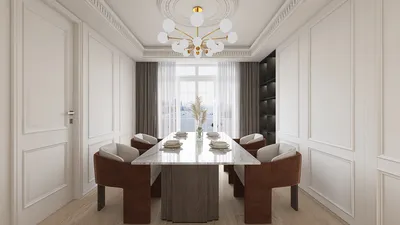


In a living room, white tile flooring creates a clean, bright foundation that can enhance the perception of space and freshness. Utilizing white porcelain or ceramic tiles in my designs not only offers a gallery-like aesthetic but also ensures practicality, featuring easy maintenance, remarkable durability, and impressive light reflectance. This visually bright effect goes beyond mere appearances; according to WELL v2 standards, effective daylighting and glare control significantly contribute to occupant comfort and wellness. Research from Steelcase indicates that environments characterized by balanced sensory inputs—including lighting and material finishes—lead to improved cognitive comfort and enhanced focus. These insights mirror the calming yet invigorating feeling a well-lit living space with white tiles can evoke, avoiding a cold, unwelcoming atmosphere.
When designed thoughtfully, white flooring can magnify natural light. The IES lighting guidelines suggest that living areas should aim for ambient light levels between 100 and 300 lux, supplemented with task lighting for reading that reaches around 300 to 500 lux. A white tiled floor effectively reflects light, meeting these goals with fewer luminaires and reduced energy consumption. Color psychology research from Verywell Mind notes that white symbolizes cleanliness, simplicity, and mental clarity, but can appear stark without warm accents. Balancing this effect is essential: introduce warmth through elements like wood, textiles, and color temperatures between 2700 and 3000K for the ambient lighting to create a more inviting atmosphere.
Material Selection: Texture, Size, and Grout Choices
Porcelain tiles (PEI 4-5) excel in scratch resistance, whereas ceramic tiles are a budget-friendly option for less-trafficked areas. Opting for a matte or honed finish diminishes glare and reduces slip risk, particularly in brightly lit settings or under high-output LED lights. Selecting large-format, rectified tiles (24"x24" or 24"x48") minimizes grout lines, resulting in an elegant, continuous surface appearance that provides a sense of spaciousness. Choosing a light, slightly warm gray grout instead of pure white can make maintenance easier and reduce the visibility of everyday stains.
Illuminating Your Space: Bright Yet Comfortable
To ensure comfort, it's crucial to design with balanced illumination in mind. A layered lighting approach—incorporating recessed ambient lighting, wall washers for accent features, and floor or table lamps for task use—helps maintain gentle contrast ratios. The ideal ambient light should aim for 200-300 lux, with additional task lighting where necessary. Color temperature plays a significant role as well; a warm range of 2700-3000K creates a cozy feel that complements white tiles by enhancing skin tones and textiles. If a cooler temperature of 3500-4000K is preferred for clarity, warm materials and dimming controls can maintain the balance.
Sound Quality: Reducing Echo
Reflective flooring can heighten reverberation issues. To combat this, I recommend integrating various acoustic elements: a generous-sized area rug (made from wool or recycled PET fiber), upholstered seating with resilient foam, fabric drapes, and textured wall features or bookshelves to disperse sound. In spacious rooms, consider breaking up parallel surfaces with plants, freestanding partitions, or a mix of absorptive and diffusive textures to help prevent flutter echo. A quieter room enhances the sense of luxury in the space, while ensuring that the clean look of the tile remains unharmed.
Color Psychology: Creating Warmth, Contrast, and Atmosphere
White tiles establish a neutral foundation that can convey tranquility or sterility depending on the color palette chosen. To create an emotional anchor within the room, introduce warm woods (like oak or walnut), earthy textiles (such as terracotta or caramel hues), and soft greens. Insights into color psychology from Verywell Mind highlight the calming aspects of blues and the restorative qualities of greens—ideal complementary colors for artwork, cushions, or accent walls. Aim for a balanced distribution: 60% light neutrals (in floors and walls), 30% mid-tone colors (in furnishings and textiles), and 10% rich accents (in art and cushions). This approach generates visual interest without overwhelming the clarity provided by white tiles.
Understanding Human Factors & Ergonomics: A Sensible Comfort
While white tiles are resilient, they can be unforgiving underfoot. To enhance comfort, consider adding plush rugs in seating areas and think about underlayment or radiant heating systems. Ergonomics also play a vital role in seating comfort: aim for seat heights between 16 to 18 inches, depths of 19 to 21 inches, and supportive backrest designs. Ensure that occasional tables sit 1 to 2 inches lower than the seating height to facilitate easy access. These small ergonomic considerations alleviate strain while ensuring that a minimalist, white-tiled living room feels warm and inviting.
Design Layout: Enhancing Flow, Sightlines, and Zones
An effective layout optimizes the brightness of your space. Position furniture away from walls to promote light circulation and expose more floor area, enhancing the overall sense of spaciousness. Arrange seating to align with primary focal points—such as windows, fireplaces, or media walls—while maintaining clear pathways of 36-42 inches. When trying various arrangements, employing a room layout tool can facilitate visualizing choices and effectively simulating traffic flow throughout the area: explore tools like Homestyler for layout visualization.
Sustainability and Maintenance: Effortless and Enduring
Many porcelain tiles include recycled materials and do not emit VOCs. Pair them with low-VOC grout and sealants to ensure a healthier indoor environment. Maintenance is straightforward—utilize microfiber mops and pH-neutral cleansers, and apply periodic sealing as needed for unglazed tile or porous grout. Use felt pads beneath furniture to prevent scratches and employ doormats to minimize dirt transfer. The lengthy lifespan of tiles contributes to reduced replacement cycles, aligning with sustainable living practices.
Decorating Tips: Textures, Metals, and Artwork
When styling a white-tiled space, texture becomes a vital element. Incorporating materials such as linen, bouclé, leather, and varied woven patterns adds depth and visual interest. Combining soft brass or blackened steel lighting fixtures creates an elegant contrast against the white tiles, introducing dynamic points of focus. Implement large artwork or vertical shelving systems for a sense of height and rhythm. Be cautious with reflective items; while a single mirrored piece can enhance light flow, excessive reflective elements can lead to unwanted glare.
Emerging Living Room Trends (2024–2025) Complementing White Tile
Current trends indicate a shift toward warm minimalism, emphasizing natural woods, sculptural furniture, and low-gloss finishes. Integrating biophilic design through potted plants, textured planters, and sheer fabrics that allow daylight in can promote tranquility. Additionally, adaptable modular seating facilitates accommodating guests, while dim-to-warm LED lighting enhances evening atmospheres. The foundational use of white tile allows these trends to evolve seasonally without requiring comprehensive redesigns.
Common Mistakes and How to Sidestep Them
Avoid over-illumination or glare by selecting diffused fixtures, matte tile options, and carefully considering lamp placements. A chilly atmosphere can be moderated by layering in warm colors and inviting textiles, aiming for lighting temperatures around 2700-3000K. To ensure pleasing acoustics, introduce rugs and upholstered elements early in your design process. Finally, minimizing visual clutter involves coordinating grout lines, furniture legs, and rug edges for clean alignments. Opt for matte or textured tiles in high-traffic areas and install runner rugs for safety.
Frequently Asked Questions (FAQ)
Employing a matte or honed porcelain tile can help reduce specular glare, facilitating a more consistent illumination under natural or LED lighting.
For living room conditions, a comfortable ambient illumination of 200–300 lux should be maintained, with supplementary task lighting of 300–500 lux for reading, as prescribed by standard IES guidelines.
Yes, if the space lacks layered design elements. Warm woods, textured rugs, and ambient lighting around 2700-3000K can help foster a cozy atmosphere.
Larger tiles can minimize grout lines, promoting visual continuity that enhances the perception of space.
Incorporating area rugs, upholstered furniture, curtains, and textured panels can effectively absorb and diffuse sound for improved acoustics.
Porcelain tiles generally offer superior density and abrasion resistance (PEI 4-5), making them suitable for areas with heavy foot traffic.
A slightly warm gray grout can help conceal minor stains while maintaining a chic appearance without providing too much contrast.
To maintain the clarity of white tiles, consider incorporating earth tones (like terracotta or caramel) and soft greens and blues to inject warmth and calm.
Utilize matte or textured tiles for high-traffic regions and introduce runner rugs along primary circulation pathways to enhance safety.
Certainly! The neutrality of the base allows for diverse pairings—use sleek metals and minimalist forms for a modern look, or warm woods and layers for a more traditional vibe.
Yes, both porcelain and ceramic can conduct heat effectively; coordinate with a professional installer to select suitable thin-set and membranes for optimal results.
Leveraging an interior layout planner can aid in testing different zoning, sightlines, and pathways; this can expedite decision-making and help identify potential flow issues.
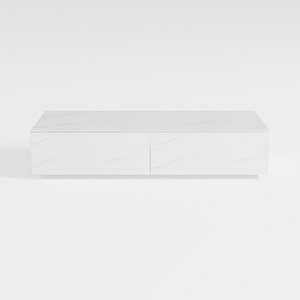

Modern Minimalist Faux Marble Coffee Table with Storage Drawers 3D Model
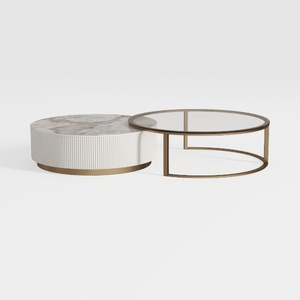
Modern Marble Gold Metal Glass Round Nesting Coffee Table 3D Model

Minimalist Fabric Modular Sectional Sofa 3D Model
Homestyler is the ultimate home design platform for anyone looking to transform their space. With a user-friendly online design tool, stunning 3D rendering options, an extensive library of design projects, and helpful video tutorials, you can effortlessly bring your creative visions to life.
今すぐ无料でデザイン
































