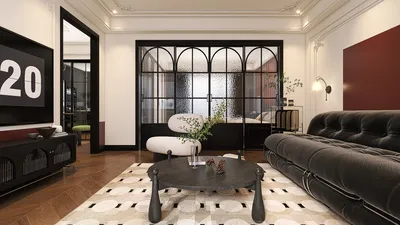


I often chuckle about the client who demanded a disco ball in their bedroom, claiming it was essential for a mood lift. I suggested that we could easily enhance the ambiance with mood lighting instead of turning their ceiling into a nightclub. Through my experiences, I've realized that in a compact bedroom, the essentials are clear: light, storage, and character. To visualize any changes before rearranging furniture, I frequently recommend utilizing Homestyler to create a 3D view of the space, helping to prevent ending up with a bed that overwhelms the room.
Small spaces ignite immense creativity. In this article, I’ll share five effective bedroom decor strategies that I’ve developed over the past decade — these ideas are practical, budget-conscious, and include some fun hacks I’ve learned from clients who pleasantly surprised me.
1. Master the art of layering light
Effective lighting can transform a small room. I rely on three types: ambient (soft ceiling illumination), task (bedside lamps), and accent (LED strips or picture lights). This installation is cost-effective and instantly enhances the room's perception of space and intention.
The trick lies in careful planning: strategically placing switches or dimmers will pay off, and once established, it feels enchanting. In one studio I revamped, the addition of dimmable lights led the tenant to abandon harsh overhead bulbs and truly appreciate the room’s compactness.
save pin
2. Utilize vertical storage
When floor space is at a premium, it’s wise to think vertically. Tall wardrobes, shelves above the bed, and wall-mounted bedside tables clear floor clutter and create a sense of openness. I often advocate for open shelving for items used frequently — it encourages tidiness, which can be both a blessing and a challenge.
Built-in solutions can appear costly but become economical when blending premade cabinets with customized shelving. I’ve redefined closets into vertical organizers, doubling storage without adding any square footage.
save pin
3. Define spaces with rugs and lighting
Establish distinct areas using rugs and focused lighting: a small rug beneath the bed marks the sleeping area, while a contrasting runner designates a dressing or reading nook. This tactic allows a single room to feel like separate functional spaces without the confinement of walls.
If you find yourself uncertain about furniture placement, I suggest creating a detailed floor plan to experiment with arrangements. While this might require additional decision-making initially, you’ll be amazed at how much time and money it saves during shopping and setup.
save pin
4. Integrate nature indoors
Incorporating plants and natural materials immediately adds warmth to a bedroom. A few potted plants, a linen throw, and wooden bedside elements provide texture without creating clutter. If you're not particularly skilled in plant care, opt for low-maintenance varieties like spider plants or snake plants, which are quite forgiving.
Natural elements also enhance acoustics and contribute to a softer ambiance; just be careful to keep foliage away from vents or radiators. In a renovation project, replacing a heavy duvet with breathable linen significantly improved sleep quality for a couple I collaborated with.
save pin
5. Select multipurpose furniture
Choose items that serve multiple functions: a bed with storage drawers, a fold-down desk, or a lightweight chair that can be rearranged for a reading area. I often encourage clients to mentally experiment with multi-zone layouts — sometimes the inspiration from kitchen design can be applied to bedroom storage next to a window seat.
The downside is that versatile furniture can sometimes lack elegance, so it’s important to balance practicality with a few high-quality pieces that give the room a curated feel. In one compact apartment, opting for a daybed provided a cohesive solution for a living area, guest space, and bedroom without compromising style.
These are my top five strategies. They are straightforward, low-risk, and versatile enough for spaces ranging from student accommodations to master suites. Implementing one change at a time often leads to the room evolving to fit your lifestyle, rather than the reverse.
save pin
FAQ
Q1: What colors can make a small bedroom feel larger?
Light, warm neutrals and gentle pastels reflect more light and create an airy ambiance. I suggest trying out paint samples on various walls to observe them in both morning and evening light.
Q2: How do I determine the right bed size for a small space?
Ensure there’s adequate circulation space for comfortable movement; typically, a full/double bed or a compact queen is most suitable. Also consider storage options — a slightly smaller bed with drawers can be more functional than a larger, basic model.
Q3: Are rugs essential in a small bedroom?
While rugs can define areas and add texture, they aren’t mandatory. If your floor is clean, a small area rug or a runner beneath the bed can sufficiently tie the space together.
Q4: What is the ideal amount of storage?
Storage needs will vary based on your routine; start by categorizing and decluttering, then provide slightly more storage than you anticipate needing. Vertical solutions and under-bed drawers can accommodate items without overcrowding the room.
Q5: Does lighting impact sleep quality?
Absolutely. Soft, warm lighting in the evening promotes melatonin production and improves sleep. The National Sleep Foundation suggests minimizing blue light exposure and employing warmer bulbs at night to signal your body to prepare for rest.
Q6: Can plants enhance the air quality of my bedroom?
Plants bring tranquility and can offer minimal improvement in air filtering, but they aren’t a substitute for proper ventilation. Select plants that match your level of expertise and ensure they stay dust-free.
Q7: How can I personalize a shared small bedroom?
Use shared neutral elements (like the bed frame) and allow each individual to have a personal bedside shelf or lamp to express their unique style. This keeps the room cohesive while recognizing each person's distinct personality.
Q8: What’s the fastest budget-friendly update for a bedroom?
Swap out bedding, add a lamp or two, and rearrange furniture — these small adjustments can dramatically alter the atmosphere. Even a new throw and different pillows can significantly shift the room's vibe without requiring a large investment.
save pin
Homestyler is your go-to online home design platform! With its user-friendly design tool, stunning 3D renderings, and a wealth of DIY video tutorials, you can effortlessly transform your space. Explore endless design possibilities and bring your vision to life with ease!
Design Now for FREE
































