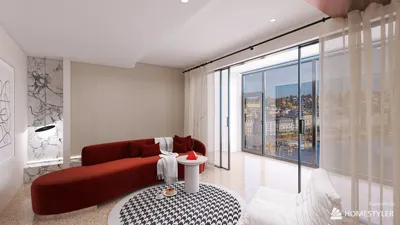


I have always believed that small double-height living rooms are akin to a well-crafted espresso: they are small yet packs a strong punch. The key lies in harmonizing vertical excitement with comfortable proportions—transforming height into natural light, airflow, and aesthetic engagement while keeping furniture, acoustics, and movement streamlined.
Natural light is an essential asset in design. As per the WELL v2 Light concept, it is vital to manage illumination and glare for visual comfort and circadian health; areas with natural light typically reach 300–500 lux for ambient tasks, utilizing controls to minimize discomfort from contrast in glazing. The IES suggests general living areas should have about 10–20 footcandles (approximately 100–200 lux), with increases for task areas as necessary. Tall spaces often have too much brightness near windows while lacking sufficient illumination in deeper areas—therefore, it's advisable to use a combination of diffuse uplighting, dimmable downlighting, and localized task lamps for even lighting.
Understanding human-centered factors is crucial for effective layout. Research by Steelcase indicates that varying postures and activity-specific zones boost user satisfaction and decrease fatigue. In high-ceilinged rooms, this means creating seating arrangements that support a reasonable conversational distance (about 6–8 feet), ensuring clear sightlines to focal points, and incorporating additional seating options like window seats or stair landings. Keep pathways a clear 30–36 inches for effortless movement, and use a central rug to create a coherent visual area for furniture placement.
Establishing a Vertical Story
Double-height spaces invite a narrative from the floor to the ceiling. I often implement a three-part elevation strategy: the base (connecting to human scale), middle (art and storage that creates rhythm), and crown (softened lighting and acoustics). Utilizing a continuous vertical feature—such as wooden slats, textured plaster elements, or a slim bookcase—can draw the eye upwards, while light horizontal bands (like picture ledges or balcony rails) can prevent the space from feeling overwhelming. If the living area overlooks a mezzanine, ensure railings are visually light and aligned with the tops of tall doors or shelves to create harmony.
Lighting Strategy: Wholesomeness, Color, and Glare Management
I like to blend three layers of lighting: ambient, accent, and task. Ambient light should ideally be indirect; slender uplights can illuminate the upper volumes to soften shadows and reduce glare. Accent lighting draws attention to specific features, like artwork or a fireplace, while task lamps on side tables create focused, warm light. Aim for a consistent color temperature around 2700–3000K in living spaces to foster a relaxed atmosphere, but consider a few accents at 3500K if the overall palette leans cooler. Dimmers are a must-have. Incorporate sheer and opaque window treatments to modulate natural light and control glare, especially in rooms with floor-to-ceiling windows.
Enhancing Acoustic Comfort in Expansive Rooms
High-volume spaces can create echoes. I treat acoustics as a blend of materials: plush rugs, soft upholstered seating, lined drapes, and broad acoustic panels disguised as art or fabric to absorb sound. Books and plants can help mitigate high frequencies, while timber ceilings or battens with sound-absorbing materials aid in controlling reflections. If your layout includes a mezzanine, adding acoustic underlay beneath its floor and sealing minor gaps under doors can minimize noise transfer into sleeping areas.
Furniture: Proportions, Scale, and Movement
It is essential to size furniture according to the human space, rather than the height of the ceiling. Opting for low to medium seat heights preserves intimacy. I typically avoid excessively tall chairs unless they anchor a significant wall. Keep the main seating area compact, featuring a 72–84 inch sofa, two accent chairs, and a nestable coffee table. Incorporating side tables that slide over seat arms enhances functionality without cluttering the space. Maintain a reach of 16–18 inches from the seat to the table surface, and provide around 14–18 inches between the sofa and coffee table for adequate legroom. Ensure a fluid 30–36 inch passage between clusters and walls.
Layout Strategies for Compact Double-Height Rooms
Initiate with a focal wall—usually the highest surface—then float seating towards the center to enhance the room's functionality. Avoid placing all elements against the walls, as this can disrupt conversation and create a sense of emptiness. If space allows, experiment with different layouts using an interior design planner; tools such as layout simulation can help visualize sightlines from the mezzanine, manage glare from the TV, and assess distances from the sofa to a fireplace before finalizing the arrangement.
space planning tool
The Influence of Color Psychology and Material Composition
Color has a powerful impact on the perception of space. Light shades on upper walls and ceilings tend to expand the area visually, while darker tones on lower thirds lend a sense of coziness. Warm neutrals like soft taupe, clay, or oatmeal can make lofty spaces feel inviting, while a single deep accent color—such as navy or forest green—can ground a focal wall. For textures, mixing matte and satin finishes can help control glare and elevate depth. Incorporating timber introduces warmth; limewash adds subtle movement; and materials like boucle, felt, and wool contribute to enhanced acoustics. Sustainability must also be a priority; select low-VOC paints and responsibly sourced wood products.
Achieving Visual Balance with Proportions
I often follow a 60/30/10 visual balance: 60% neutral base, 30% secondary hue or texture, and 10% accent. In a double-height environment, expand this philosophy vertically: a grounded lower third, an articulated middle third, and a light upper third. Repeat subtle themes—spacing of slats, seams of panels, or intervals of shelves—to establish a consistent rhythm that feels intentional and deliberate.
Mezzanine Edge Integration and Conditions
If your double-height living space opens to a mezzanine, treat the edge similarly to a balcony in a theater. Keep railings slender to minimize visual clutter and strategically place artwork that can be appreciated from both levels. Lighting should softly illuminate the mezzanine soffit to prevent dark voids. If privacy is a concern, translucent screens can obscure views without sacrificing light.
Storage Solutions That Are Sleek
Maximize verticality for efficient storage solutions. Tall, shallow cabinets (10–12 inches deep) placed along one wall can offer significant storage without consuming precious floor space. A low bench beneath windows can serve as additional storage for blankets and books. Consider wrapping storage around structural columns to transform challenges into opportunities for style.
Creating Harmony Between Fireplace and Media
Positioning a fireplace and a TV together can be successful if heat and glare are carefully managed. Slightly offsetting the TV or mounting it on a pivot allows for flexibility. Opt for a matte screen and select low-reflective wall finishes that complement the glazing. Ensuring proper cable management is vital; feed power and data through floor boxes or a discreet chase behind the paneling to maintain a clean appearance.
Atmosphere Transitions from Day to Night
Program lighting for different scenarios: daytime (brighter, cooler), evening (dimmer, warmer), entertaining (accentuating artwork and a fireplace), and quiet time (focused on task lighting). Smart dimmers and multilayered ceiling lights allow adaptability as the seasons change.
Incorporating Plant Life and Natural Elements
Double-height spaces thrive with vertical greenery. Utilize narrow, tall plants—such as fiddle-leaf figs, olive trees, or bamboo palms—in slender planters. A climbing vine trained across a wall can enhance the softness and also help with acoustic modulation. A strategically placed small indoor tree that captures natural light adds a sculptural element to complement the room's height.
Common Mistakes to Steer Clear Of
Avoid overcrowding the space with furniture, placing a single glaring overhead light, and using dark upper walls that make the room feel cavernous. Keep an eye on the mezzanine views; maintain a clean and styled top of tall storage since it becomes another layer of visual interest.
Comfort Benchmark References
In living areas, aim for ambient lighting of 100–200 lux and task lighting of 300+ lux as per IES standards; vary color temperatures between 2700–3000K for optimal relaxation. The WELL v2 framework emphasizes glare control and visual comfort, so consider diffusing elements and layered luminaires. Regarding ergonomics, ensure seating options support natural posture transitions—research insights from brands like Herman Miller and Steelcase highlight that micro-movements can enhance comfort during prolonged use.
Frequently Asked Questions
Use layered sheer and opaque window coverings, apply matte finishes on standout walls, and place task lamps strategically to counteract bright glass surfaces. Maintain dimmability with ceiling uplights to reduce contrast during peak sunlight.
Stick to a color temperature range of 2700–3000K for ambient light to keep a cozy atmosphere; accent pieces may reach 3500K for added emphasis on artwork or textured surfaces without feeling sterile.
Establish an intimate conversation zone with a 72–84 inch sofa, two chairs, and a centrally placed rug. Maintain 14–18 inches between the sofa and coffee table, and 30–36 inches of clearance around the grouping for easy circulation.
Indeed—translucent dividers, minimalist railings, or partially slatted barriers can help. Incorporate soft lighting along the mezzanine to avoid deep shadowed areas and preserve visual flow.
Utilize fabric-lined drapery, plush rugs, soft seating, and irregular-filled bookshelves to help diffuse sounds. Timbers with absorbent backing positioned behind can serve as hidden acoustic enhancements.
Select a rug adequately sized for all front legs of the main seating to anchor them—typically 6x9 or 8x10 in smaller spaces—this visually unifies the setting and dampens sound reverberation.
Position the TV slightly away from direct sunlight, utilize a matte screen, and explore pivot mounts for adjustment of viewing angles to curtail reflections.
Employ tall, shallow cabinets (10–12 inches deep), incorporate window benches, and encompass storage around structural features. Maintain a visually light appearance for upper areas to prevent a top-heavy look.
It certainly helps. Lighting scene presets (day, evening, entertaining, quiet) allow you to balance height and ambiance as natural light fluctuates, aligning with WELL v2 objectives for comfort and control.
Prioritize low-VOC paints, responsibly sourced woods, and natural fabrics (wool, linen, cotton) to enhance texture, ensure acoustic comfort, and promote healthier indoor environments.
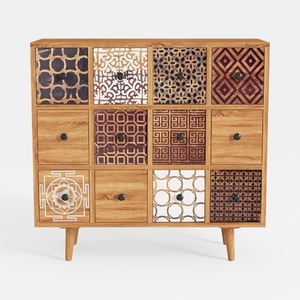
Bohemian Solid Wood Multidrawer Accent Cabinet With Patterned Fronts 3D Model

Minimalist Solid Wood Linen Fabric Three Seat Sofa 3D Model


Minimalist Solid Wood White Fabric Tufted Sofa 3D Model
Homestyler is your go-to online home design platform! With its user-friendly design tool, stunning 3D renderings, and diverse DIY video tutorials, it makes transforming your space effortless and enjoyable. Unleash your creativity and design your dream home today!
Design Now for FREE
































