


The evolving lifestyle demands our buildings to function as responsive environments, even as residents face challenges such as congested entrances, delivery hurdles, and noise disturbances. According to AIA, there is a persistent demand for adaptable communal spaces within multifamily developments, and I believe that the ground floor acts as the foundation for cultural interaction. In this setting, the main focus—designing the ground floor plan of a 10-storey flat—transforms into an arrangement of arrivals, entry points, and shared small infrastructures. The future is already emerging, and I am able to glimpse it early on through an innovative spatial planning toolkit, like Homestyler.
Lobby Spine + Dual Circulation
Design Principle: A central lobby serves as the nucleus, segregating resident and service traffic to ensure efficient deliveries and maintain privacy. Trends indicate a growing volume of packages and a shift toward hybrid work; this configuration can accommodate those demands smoothly.
Flow: Entry → vestibule buffer → authentication lobby → resident elevators; alternative route: curb → parcel room → service lift → back of house.
Sightlines: A clear axial perspective towards the concierge and elevators, with angled views towards seating areas; the service pathway is visually subdued to keep the hierarchy clear.
Storage: Lockers function as modular storage solutions, refrigerated units designated for groceries, and spacious bays for strollers and mobility devices, all organized systematically.
Furniture Configuration: Benches designed at 18–19" seat height, compact lounge arrangements to ensure a 6–8 ft passage; reception desks are sized according to ADA standards and future sensor technologies.
Conclusion: This layout exemplifies a balanced system—residents move gracefully, logistics operate discreetly, and the building’s foundational layer enhances its functionality.
save pin
Courtyard Connector + Light Well
Design Principle: A permeable edge frames a semi-enclosed courtyard, allowing light and social interactions to flow; modern wellness trends necessitate open communal areas rather than enclosed lobbies.
Flow: Street → permeable gate → courtyard loop → café area → elevator core → bike storage; a rain garden intervenes before internal thresholds.
Sightlines: Layered spatial dynamics: street glimpses → canopy → trees → core; the layout of views transforms from public to private, promoting a tranquil arrival.
Storage: Quick-access bike racks and stroller areas, with maintenance closets integrated throughout the loop for efficient service.
Furniture Configuration: Café tables sized at 24–30" for brief stays, planters acting as natural dividers, and outdoor furniture designed to maintain clear pathways.
Conclusion: The courtyard functions as the building's social shield—an environment that slows down time, reduces noise, and prepares residents for restorative experiences.
save pin
Mixed-Use Edge: Retail Sleeve + Amenity Zone
Design Principle: Ground-level retail engages with the street while amenity zones serve as community hubs; future residences will rely on edges that remain vibrant day and night.
Flow: Public pathway → storefronts → mid-block lobby → co-working area → mail hub → elevator core; deliveries are routed behind the scenes, avoiding resident pathways.
Sightlines: Clear glass surfaces reveal activity; sightlines narrow at the lobby to enhance security, then broaden toward amenities for comfort.
Storage: Back-of-house shelving for retail storage, mail hub organized for efficient processing; waste management areas designed to minimize noise transfer.
Furniture Configuration: Co-work tables at a height of 30", power stations strategically placed for workflow; flexible seating allows for 5 ft clear pathways for accessibility.
Conclusion: This edge strategy leverages prime frontage while fostering community, a practical design that future tenants will appreciate for its convenience without disorder.
save pin
Final Insight
A ground floor plan of a 10-storey flat functions as the operating system of the entire building, establishing trust, rhythm, and flow. Its design must harmonize lobby, service, and mixed-use interfaces to ensure that arrivals feel welcoming while logistics remain unobtrusive. From what I observe, the most effective towers do not generate noise at the street level—they are purposefully designed at the entrance points, and what consistently emerges in my projects is how carefully considered flow choices enhance daily living, a vision perfectly captured in tools like Homestyler.

Minimalist Solid Wood Round Coffee Table 3D Model

Minimalist Neutral Fabric Irregular Coffee Table 3D Model
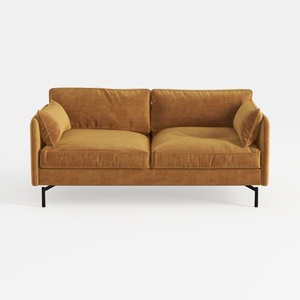
Modern Velvet Upholstered 2 Seater Sofa With Black Metal Legs 3D Model
Homestyler is an outstanding online home design platform that offers an intuitive design tool, stunning 3D renderings, and a vast array of design projects. Plus, enjoy DIY video tutorials that inspire creativity and help you transform your space effortlessly!
立即免费设计
































