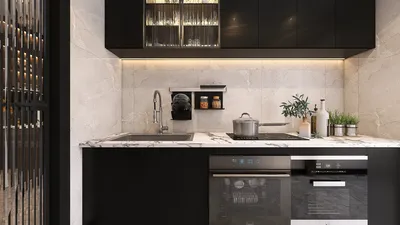


I consider multipurpose halls as dynamic living entities—environments that transform seamlessly from ceremonies to conferences, sports to performances—all while maintaining comfort and dignity. The design brief for the Sanjeeva Shetty Multipurpose Hall emphasizes flexibility in capacity, unobstructed sightlines, superior sound quality, and a carefully selected palette of durable materials. The following design strategies effectively balance user experience, operational efficiency, and long-term sustainability.
It's essential to base decisions regarding capacity, comfort, and health on empirical data rather than assumptions. The geometry of seating and aisle design must comply with standard assembly guidelines and facilitate swift reconfigurations. Addressing thermal and air quality metrics, the WELL v2 standards underscore the importance of proper ventilation, thermal comfort oversight, and glare-free daylighting. I actively monitor these factors since light quality and comfort significantly influence both cognition and mood. Gensler’s studies indicate that spaces fostering focus, collaboration, and social engagement can significantly boost perceived productivity. This translates into hall design through adjustable lighting, effective noise management, and user-friendly navigation that minimizes cognitive strain for large audiences. Leveraging design tools like Homestyler can aid in achieving successful stakeholder engagement during layout planning.
The role of color and psychology in design is just as critical as the arrangement of seating and lighting. Research from Verywell Mind highlights how warmer tones can create inviting atmospheres, while cooler shades enhance concentration; I strategically apply these insights to differentiate pre-function areas (utilizing warm neutrals) from presentation spaces (incorporating cooler neutrals to maintain focus on the stage). For lighting, I refer to guidance from the Illuminating Engineering Society (IES) regarding appropriate illuminance levels tailored to different functions—high levels for reading and adjustable settings for performances—ensuring visual comfort and audience engagement.
Site, Program, and Spatial Ratios
The design begins with three foundational elements: the Main Hall (the primary event area), a Stage/Platform, and a Support Suite (which includes the foyer, green rooms, AV control, pantry, and storage). I strive for a spatial ratio that allocates 1.0 for event space to 0.35–0.45 for support facilities in community halls designed for frequent transitions. Clear ceiling heights of 7.5–9.0 meters accommodate lighting rigs, banners, and sound insulation without compromising visual aesthetics. If your overall plan envisions alternating between banquet styles and assembly formats weekly, ample storage with easy access becomes essential.
Flexible Layout Patterns
Efficient multipurpose halls cater to four primary setups: auditorium (fixed seating), banquet (round tables), exhibition (booth layouts), and flat-floor performance configurations. To optimize circulation and emergency exits, I design primary pathways to be 1.2–1.5 meters wide, with secondary routes at 0.9–1.2 meters. Maintaining optimal sightlines requires positioning the back row approximately 1.1–1.2 meters above the finished floor; incorporating sloped or raised platforms is advisable when the distance to the stage exceeds 24–28 meters. Tools such as layout simulators, including Homestyler, can facilitate rapid visualization and stakeholder collaboration during the initial planning stages.
Stage and AV Planning
The stage width typically aligns between 1/2 to 2/3 of the hall's total width, while its depth of 6–10 meters accommodates various presentations, including panels and podiums. An accessible backstage corridor of 1.2–1.5 meters is necessary for safe movement. Implementing AV catwalks or service corridors above the proscenium is an effective strategy to minimize floor clutter. It’s crucial to integrate floor boxes at intervals of 6–8 meters to provide power, data, and balanced audio access, preventing cable tangles. The compatibility of projection distances and LED wall brightness with house lighting dimming configurations is vital for maintaining clarity.
Lighting Layers and Glare Control
I utilize layers of ambient, task, and accent lighting, all equipped with fully adjustable controls. For ambient light, I aim for 200–300 lux during assembly setups, with dimmable options down to 50–100 lux for presentations. Task lighting is set at 300–500 lux at lecterns, while areas for preparation and pantry functions receive over 500 lux. Accent lighting should be set to provide a contrast ratio of 10–30:1 on stage features to enhance depth without causing visibility disruptions. Adhering to IES guidelines on consistency and glare reduction helps keep disability glare at a minimum, particularly during recordings. Careful placement of luminaires with a 30° cut-off around sightlines, and using differing color temperatures—2700–3000K for hospitality settings and 3500–4000K for conference atmospheres—ensures usability across events.
Acoustic Strategy
The acoustic design of a multipurpose hall must balance speech clarity and the warmth of musical performances. I target an RT60 time of approximately 0.9–1.2 seconds for mixed-use venues, employing variable banners or reconfigurable acoustic panels to adapt to the requirements of speech versus ensemble presentations. Implementing diffusive measures on upper walls can disrupt flutter, while absorptive acoustic clouds above the audience control sound buildup without eliminating energy. Mechanical noise levels should be maintained between NC-25 and NC-30 to ensure clear speech articulation. If subdividing the hall, operable partitions must meet the appropriate acoustic ratings for the loudest expected events.
Seating, Ergonomics, and Flow
For stackable chairs, I recommend a seat width of 500–520 mm and a row pitch of 850–900 mm to ensure comfort without excessive crowding. In banquet setups, 1800 mm round tables comfortably accommodate 8–10 people; service pathways should maintain distances of 1.8–2.1 meters. Exit aisles must be intuitively designed to avoid dead ends near stage corners. Inclusive seating options should be well-distributed throughout the hall rather than segregated. Continuous handrails on ramps and strategically planned landings can serve dual purposes as platforms for cameras or interpreters.
Materials, Durability, and Sustainability
My preference leans towards durable and repair-friendly finishes: hardwood or engineered wood for the stage, high-durability LVT or linoleum for general floor areas, and impact-resistant acoustic wall panels at lower levels. When budgets allow, I prioritize low-VOC materials and FSC-certified woods. The integration of daylight control through dual-layer window treatments (blackout and diffuse layers) reduces reliance on artificial lighting while safeguarding AV equipment. If a catering pantry is included, utilizing non-porous, easy-to-clean materials and sloped flooring that drains effectively is recommended.
Color Psychology and Branding
Utilizing neutral base colors, such as warm grays or subdued earth tones, allows the hall to adapt to various event themes. Accent colors employed at entry points or behind the stage can create a distinct identity without overshadowing presentations under stage lights. Subtle temperature coordination—for example, using warm hues in the foyer, neutral shades in the hall, and cooler tones in back-of-house areas—can instinctively direct behaviors: inviting people to linger in warmer areas, maintaining focus in neutral zones, and fostering productivity in cooler environments.
Wayfinding and Crowd Behavior
Pre-function areas are most effective when they comprise 30–40% of the total hall space, particularly during events with heavy circulation. Facilities like restrooms and water stations should be strategically placed along natural flow paths rather than at congested points. I design noticeable rhythms in the ceiling or flooring to guide attendees toward exits, reducing reliance on signage. To enhance accessibility, contrasting edge treatments and tactile pathways help prevent missteps under dimmed lighting during performances.
Operations, Storage, and Turnover
High-performing multipurpose halls excel in rapid adaptation while maintaining structural integrity over time. I suggest allocating at least 12–15% of the floor area as dedicated storage for items like chairs, risers, and dividers, ensuring direct access. Color-coded and barcoded inventory systems simplify management for event staff. Providing secure, wall-mounted charging stations for wireless microphones and LED uplights keeps equipment safe and neatly organized. If finances permit, a small scene shop can facilitate set design and building.
Mechanical, Electrical, and Safety
Power distribution should follow a clear grid pattern to accommodate diverse floor layouts, integrating data connections where AV equipment is used. Dimming systems must recall settings for various scenarios, such as lectures, banquets, and performances. HVAC systems should deliver air from high sidewalls using low-induction diffusers to minimize drafts that affect seated guests. Life safety elements, including sprinklers and exit signage, should align with ceiling structures to maintain clear performance rigging areas. Additionally, maintenance catwalks must be adequately lit and safe for operation.
Budget Priorities and Phasing
In cases of budget restrictions, I prioritize the protection of acoustic properties, adaptable lighting controls, and storage solutions since these elements significantly enhance daily functionality. Decorative upgrades, including specialized wall finishes and customized fixtures, can be phased in later. Investing early in a comprehensive interior layout planner allows stakeholders to test capacities, camera placements, and comfort zones, ultimately leading to fewer corrections after the hall’s opening; using Homestyler can facilitate this planning phase effectively.
References for Standards and Human Factors
Valuable research references include the WELL v2 guidelines which focus on lighting, thermal comfort, and air quality (v2.wellcertified.com), and Gensler’s workplace research linking environmental design to performance (gensler.com/research). For insights into color psychology, Verywell Mind offers accessible summaries (verywellmind.com/color-psychology), while IES standards provide reliable benchmarks for illumination practices (ies.org/standards).
FAQ
My typical modeling encompasses three tiers: 300–400 seats for community-focused events, 500–700 seats for significant ceremonies, and up to 1000 for peak gatherings, ensuring that egress, HVAC, and storage are adequately managed for the maximum tier. I recommend testing all configurations using a visualization tool before finalizing structural designs.
I advise planning for 12–15% of the main floor area allocated for seating, risers, dividers, and AV equipment. For daily turnover, this should increase to 18% and include drive-up access for convenience.
An adaptable RT60 of around 0.9–1.2 seconds is suitable for mixed-use spaces, employing retractable banners, movable curtains, and ceiling clouds to optimize acoustics for lectures or musical performances.
For assembly setups, maintain light levels at 200–300 lux; for lectures, aim for 100–150 lux with brighter conditions of 300–500 lux at the lectern. Performance lighting should be set around 50–100 lux in the house, with strong accentuation on stage. It’s best to maintain correlated color temperatures of 2700–3000K for hospitality and 3500–4000K for conferences.
Limit viewing distances roughly to six times the height of the stage; incorporate a gentle floor slope or portable risers when sightlines exceed 24–28 meters while ensuring luminaires are placed to avoid glare issues with a 30° cut-off.
Design seating dimensions of 500–520 mm in width with 850–900 mm row spacing for an optimal balance of comfort and capacity. In banquet mode, use 1800 mm round tables keeping centers at 1.8–2.1 m and primary aisles at 1.2–1.5 m for service and exit ease.
Implement designs that cater to variable occupancy, featuring demand-controlled ventilation and quiet mechanical noise levels between NC-25 to NC-30, along with high-sidewall HVAC supplies to minimize drafts over seated patrons.
Employ impact-resistant acoustic panels at lower heights, resilient flooring options (LVT, linoleum, or sports surfaces) for flat areas, and durable, repairable materials for stages. Choose low-VOC products when feasible and enhance natural light control with blackout options for AV needs.
Utilize neutrality in base colors for versatility; apply warm hues to foyers to encourage gathering, and choose cool-neutral backdrops on stage to minimize skin distortion while enhancing focus on presenters.
Prioritize acoustic treatments alongside a well-designed programmable lighting control system, as these are crucial for elevating any event and are challenging to retrofit later on.
For frequent conferences or performances, incorporating an acoustically isolated booth that provides clear sightlines to the stage along with necessary cable channels is advisable for simplifying AV management and recording tasks.
Ensure ample pre-wired conduits, specify modular floor boxes, and leave clear access pathways for maintenance. It's beneficial to lease or phase-in display hardware while retaining ownership of the infrastructure.

Minimalist Solid Oak Wood Dining Table 3D Model
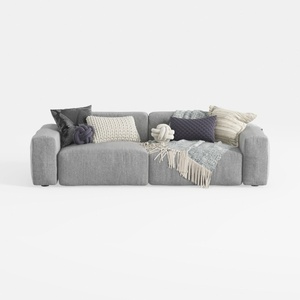
Minimalist Fabric Large Sectional Sofa with Decorative Pillows 3D Model
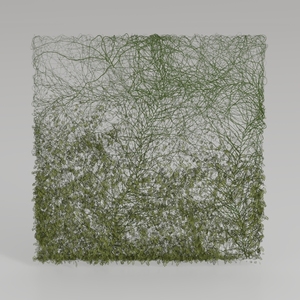
Natural Green Vine Wall Panel Decorative 3D Model
Homestyler is your go-to online platform for home design! With an easy-to-use design tool and stunning 3D renderings, it empowers you to create and visualize your dream spaces. Plus, enjoy a wealth of design projects and DIY video tutorials to inspire your creativity. Start designing today!
Design Now for FREE
































