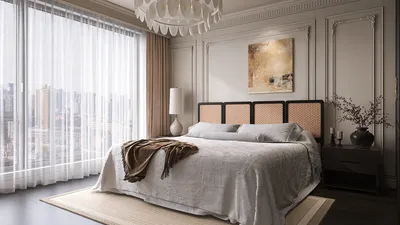


I once installed a circular wall light in a client's nursery but mistakenly flipped it upside down. It was an hour of convincing myself it was an intentional ‘modern sculpture’ choice until the child pointed out the glaring light. That humbling error taught me more about the significance of proper placement and scale than any class could. In small spaces, missteps can be quite evident, yet they can also inspire creative solutions, with circular wall lights exemplifying this perfectly: they are compact, artistic, and surprisingly adaptable.
1. Halo Minimalism for Tight Hallways
In cramped corridors, I particularly enjoy the halo-style circular lights as they create an impression of depth while conserving floor space. Their gentle, wall-washed luminosity diminishes dark patches, providing a soft navigation path around the home. However, it’s important to select a dimmable driver; otherwise, the hallway might end up being overly dramatic or too starkly lit — also, be cautious about the height at which you mount them to prevent any accidents.
save pin
2. Layered Circles Above the Bed
In bedrooms, I frequently recommend layered circular sconces as stylish alternatives to traditional table lamps. This choice liberates space on nightstands while providing a focused reading zone, all while serving as atmospheric lighting as well. Keep in mind: hardwired installations can be a bit more expensive than plug-in models, but they yield a tidier, more upscale look. A smart tip is to pair these lights with a wall switch and USB ports for utmost convenience.
save pin
3. Recessed Circular Accents in Alcoves
Transforming alcoves or shallow niches into beautiful gallery spaces can be done with recessed circular wall lights. I once turned a tiny alcove into a pre-designed mini-display area thanks to the warm glow from a circular accent. The trick is to ensure the light coordinates with the shelving's depth and is rated for recessed usage to prevent any heat-related issues.
save pin
4. Outdoor-Ready Circular Fixtures for Small Balconies
Compact outdoor circular lights are perfect for balconies where every inch counts, and durability in various weather conditions is essential. They emit a wraparound light that makes even the smallest terraces feel spacious after sunset. Always verify the IP ratings and opt for finishes that resist corrosion in coastal areas — this minor investment will save you from having to deal with rusted installations later on.
save pin
5. Versatile Lighting with Dimmable Smart Circular Fixtures
Smart circular wall lights offer the flexibility to adjust their warmth and brightness, which is invaluable in multifunctional small spaces. I have successfully utilized them in studio apartments to shift from vibrant task lighting to a cozy evening ambiance with just a tap. One possible drawback is that integrating multiple brands can complicate the setup, so it’s best to stick with one ecosystem or a reliable intermediary device.
save pin
Tips 1:
If you wish to experiment with different layouts prior to making permanent installations, consider using realistic room mockups — this will minimize trial and error and enhance visual scale understanding. For swift planning, I highly recommend the 3D floor planner to efficiently visualize the position of lights and the overall layout in a matter of moments.
save pin
FAQ
Q1: What is the ideal size for circular wall lights in compact rooms?
A1: For small spaces, circular lights that are 10 to 18 inches in diameter usually strike a good balance between presence and proportion. Always measure sightlines and nearby furnishings to ensure the light doesn’t overwhelm the area.
Q2: Are circular wall lights energy efficient?
A2: Most of the contemporary circular fixtures utilize LED technology, which is significantly more energy efficient and has a longer lifespan compared to incandescent bulbs, resulting in savings over time.
Q3: Can I install circular wall lights on my own?
A3: If you are comfortable working with circuit breakers and basic wiring connections, installing simple wall-mounted fixtures can be a DIY project; however, it’s advisable to hire a licensed electrician for complicated hardwired installations.
Q4: How do I select the right color temperature for my lights?
A4: For cozy areas like bedrooms, opt for a color temperature between 2700K and 3000K; use 3000K to 3500K for living spaces; and choose 4000K or above for task-oriented environments. Dimmability is a great feature to easily change the ambiance.
Q5: Are there waterproof circular lights suitable for outdoor use?
A5: Indeed—look for fixtures that feature a minimum IP65 rating for rain exposure. Manufacturers include these ratings in their product specifications, so always verify before making a purchase.
Q6: What is the recommended mounting height for circular wall lights?
A6: For optimal general lighting, mount lights at around eye level (approximately 60 to 66 inches from the floor), adjusting higher or lower based on furniture height and the intended function of the space.
Q7: How much should I expect to pay for professional installation?
A7: Installation costs can vary based on your region and the complexity of the job; typically, basic hardwired sconce installation prices can vary from moderate to higher, especially if new wiring is necessary. Always gather multiple quotes for accurate budgeting.
Q8: Where can I find visual examples of circular wall light layouts?
A8: For hands-on examples of layouts and editable room designs, you should explore the free floor plan creator, which provides templates and 3D previews, making it easier to visualize your ideas as you incorporate options like Homestyler.
save pin
Discover the ease of home design with Homestyler! This user-friendly platform offers a powerful online design tool, stunning 3D renderings, and a wealth of inspiring design projects. Plus, you'll find DIY video tutorials to guide you every step of the way. Transform your space effortlessly!
Design Now for FREE
































