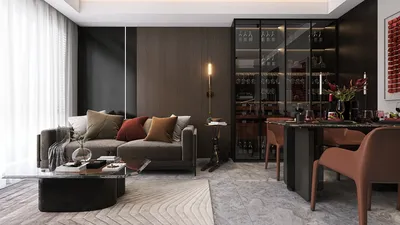


An effective amenities hall is versatile, accommodating activities ranging from morning yoga sessions to evening assembly meetings. I utilize designs that allow these spaces to adapt for various activities while maintaining comfort, sound quality, and visual harmony. In settings like multi-family residences and workplaces, shared amenities play a significant role in promoting leasing and retention. According to Gensler’s U.S. Workplace Survey, access to well-designed shared areas is associated with improved effectiveness and overall experience ratings, highlighting the value of intentional design. Additionally, WELL v2 connects thoughtfully crafted communal spaces to enhanced comfort and mental wellness by focusing on light, air quality, and sound.
When it comes to performance, attention to specific details is crucial. My lighting strategy aims for an ambient illumination of 300-500 lux in multi-purpose areas and up to 750 lux for work surfaces, aligning with IES guidelines. I also ensure that the correlated color temperature (CCT) ranges from 3000-3500K for cozy environments and 3500-4000K for more active areas. Research from Steelcase highlights that a variety of postures and workspace choices can boost productivity and well-being, which drives my decision to incorporate a mixture of soft seating, café tables, and high counters that cater to diverse working styles without creating visual disarray.
Establishing the Program: Adaptable Zones with Harmony
My approach begins with a three-layered program consisting of social, active, and quiet zones. The social component—which includes lounges, coffee bars, and entries—cultivates a welcoming atmosphere. The active layer features elements like fitness zones, multipurpose studios, and workshops that require durable finishes and movable furnishings. Finally, the quiet area—housing reading nooks, phone booths, and library tables—needs sound insulation and warm, low-glare lighting. To ensure seamless flow and accessibility, an interior layout planner with interactive drag-and-drop features assists me in testing sightlines, traffic patterns, and emergency exits. Tools like a room design visualization tool expedite the simulation of various seating arrangements and configurations, such as those offered by Homestyler.
The Importance of Lighting: Creating Ambiance and Functionality
Quality amenity halls thrive on layered lighting systems—ambient, task, and accent—that allow for quick transitions between communal activities and quiet co-working. By employing indirect pendants and wall wash lighting across larger spaces, I maintain a low Unified Glare Rating (UGR) while integrating dimmable downlights on dedicated circuits. Tunable white lighting (3000-4000K) supports natural sleep-wake rhythms during the day and transforms into warmer settings for evening functions. For wellness and acoustic comfort in shared spaces, I utilize WELL standards in lighting and sound design.
Acoustic Design: Prioritizing Clear Communication
The effectiveness of communal spaces hinges on their ability to facilitate clear communication. I strive for a well-balanced mid-frequency reverberation time (RT60) around 0.6-0.8 seconds in seating areas, adjusting slightly higher in active zones. My design strategies include installing microperforated wood ceilings with felt backing, using upholstered panels for wall coverage, and covering floors with area rugs to minimize noise. For divisible spaces, operable acoustic partitions with a sound transmission class (STC) rating of 45+ are essential. In open lounge areas, employing soundscaping techniques—such as gentle background music and water features—enhances privacy without overwhelming the design.
Furniture Strategy: Emphasizing Mobility, Density, and Postural Diversity
I follow a guiding principle of having 60% mobile and 40% anchored furniture. Solutions like nesting tables, stackable chairs (measuring 18-20 inches in width), and flipping top training tables on wheels allow staff to reset the room in less than 20 minutes. Lounge clusters feature a blend of seating heights (16-18 inches and a few 24-26 inch perch stools) to facilitate shorter stays in high-traffic areas. For dining and workshop configurations, I allocate 15-18 square feet per person; for audience seating, 8-12 square feet per individual depending on stage size and audiovisual requirements. Additionally, placing power outlets every 6-8 feet maintains a functional and tidy environment.
Material Choice: Resilient, Sanitary, and Inviting
High-traffic environments necessitate durable finishes that also convey a residential feel. I recommend woven vinyl or solution-dyed nylon carpet tiles in relaxed areas, along with terrazzo or large-format porcelain flooring at entry points, and FSC-certified low-VOC millwork. Fabrics selected should have a double rub count exceeding 50,000 and include bleach-cleanable options in child-friendly sections. Integrating biophilic elements, such as real plants, wood finishes, and textured plaster, softens the overall aesthetic while enhancing perceived well-being. Whenever feasible, I prioritize materials with Environmental Product Declarations (EPDs) and consider options with high recycled content in metals and substrates.
Understanding Color Psychology: Influencing Atmosphere and Comfort
Color can meaningfully impact mood. I establish a neutral foundation (such as warm gray or sand) and incorporate desaturated greens and blues in quieter locales to promote calmness. More vibrant shades like terracotta or saffron can energize social spaces. Insights from Verywell Mind indicate the soothing effects of blues and greens and the appetite-stimulating properties of reds and oranges, which are valuable considerations when designing lounge and café areas. For deeper insights into human behavior, additional resources on interaction design regarding color psychology are available.
Circulation and Visibility: Accessible Wayfinding Design
Wayfinding should feel natural and intuitive for users. I ensure main corridors have a minimum width of 5 feet for two-way traffic and 3 feet for secondary aisles to provide access to all seating options. Stage areas require clear widths of at least 12-15 feet to accommodate presenters and AV equipment. By utilizing a riser ratio of 1:12 for back row sightlines in larger spaces, as well as diagonal seating arrangements and low-profile platforms, I enhance visibility. Glazed partitions allow natural light while ensuring acoustic privacy; frosted bands maintain confidentiality where necessary.
Technology and AV: Seamless Integration
Employing ceiling speakers arranged in a uniform grid prevents auditory hotspots while beamforming microphones lessen reliance on handheld devices. I also incorporate projection systems discreetly within lift-mounted enclosures or leverage ultra-short-throw laser projectors against acoustic panels. Planning should include 10-15% additional conduit capacity for future technologies. Features such as wireless presentations, digital signage in entry areas, and occupancy sensors integrated with lighting facilitate rapid mode shifts for staff.
Comfort Guidelines: Prioritizing Thermal Comfort, Seating, and Accessibility
Creating a comfortable atmosphere relies on control and user expectations. I provide options for personal temperature adjustments using ceiling fans, operable windows where appropriate, and zoning to separate busy transitions from tranquil seating regions. Ergonomically designed café tables positioned at 28-30 inches, alongside counters at 36-38 inches, accommodate a variety of activities. Accessibility is paramount; I ensure barrier-free pathways, integration of companion seating, and designated wheelchair spaces with equitable sightlines. Compliance with ADA standards and local regulations governs door hardware, reach ranges, and clear accessibility zones while avoiding the implication of ‘special’ areas.
Operational Readiness: Focusing on Storage, Back-of-House Needs, and Vital Durability
The importance of adequate storage often goes overlooked, yet it is essential for maintaining flexibility. I allocate 8-12% of the net program area for concealed storage—such as carts for chairs and tables, AV equipment cases, and seasonal decorations. Having a dedicated space for furniture staging near event halls speeds up room resets. In terms of finishes, I recommend using replaceable carpet tiles in high-risk spill zones and sacrificial kick plates on millwork to enhance durability. Janitorial areas should be easily accessible to the hall to streamline turnover processes.
Sustainability and Wellness: Designing for Minimal Impact and Maximum Experience
I specify low-VOC paints, formaldehyde-free substrates, and mechanical ventilation systems that ensure healthy air exchange without compromising comfort. Implementing daylight harvesting coupled with responsive dimming strategies reduces energy consumption while mitigating glare. Incorporating real plants, natural materials, and unobstructed outdoor views significantly enhances dwell time and perceived comfort. Where budgets permit, including a hydration station and filtered water options near coffee bars reinforces the message that this space prioritizes human experiences above all else.
Planning Toolkit: Validate Designs Before Construction
I emphasize the importance of prototyping seating arrangements and crowd dynamics at an early stage, especially for high-turnaround events. Utilizing digital space planning tools enables teams to quickly explore banquet, classroom, and theater configurations and create clear reset guidelines for staff. When stakeholders can visualize potential setups, decision-making becomes more efficient, leading to a reduction in late changes. Tools like an interior layout planner are invaluable for assessing different configurations and optimizing space usage effectively.
Frequently Asked Questions (FAQ)
Plan for approximately 8-12 square feet per person for theatrical seating, 15-18 square feet for banquet or workshop setups, and 20-25 square feet for fitness classes. These measurements account for necessary aisles and presentation areas.
Aim for 300-500 lux of ambient light with task lighting reaching up to 750 lux at work surfaces. Maintain a correlated color temperature of 3000-3500K for sociable environments and 3500-4000K for activities, using dimming capabilities to enhance evening gatherings.
Integrate sound-absorbing ceilings, 25-35% wall coverage using acoustic panels or fabric art, and soft flooring solutions in quiet zones. Use area rugs and upholstered seating to manage mid-frequency reverberation while maintaining an open feel.
Incorporate stackable or ganged chairs, castered flip-top tables, and some anchored lounge components. Store additional items on dollies nearby to achieve sub-20-minute reset times between events.
Use a neutral base color complemented by desaturated greens and blues in quieter areas, while applying warmer accents—such as terracotta and saffron—near cafés and entryways to stimulate social interaction without overwhelming visitors.
Use ceiling-mounted grids for evenly distributed audio speakers, employ beamforming microphones, and cleverly conceal projectors or ultra-short-throw models. Pre-plan for conduit and cable management; also think about integrating screens within millwork or acoustic materials.
For seating areas, target an RT60 of approximately 0.6-0.8 seconds. Specify STC 45+ operable partitions to enable simultaneous events with minimal sound interference.
Ensure barrier-free pathways throughout and provide integrated wheelchair seating with companion options across locations, maintaining clear sightlines comparable to prime seating areas in the venue.
Utilize fixtures like terrazzo or porcelain surfaces at entrance areas, woven vinyl or solution-dyed nylon carpet tiles in relaxation spots, bleach-cleanable upholstery, and low-VOC millwork to optimize both durability and indoor air quality.
Prototype design alternatives using layout simulation tools, and distribute reset diagrams among staff and stakeholders to test density, traffic flows, and audiovisual sightlines early in the process.
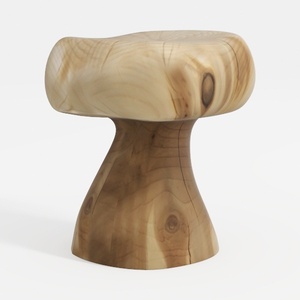

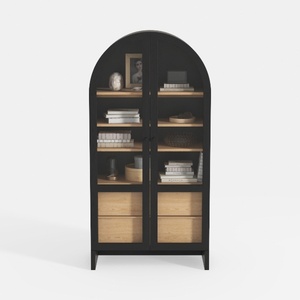
Modern Black Oak Arched Glass Display Cabinet 3D Model
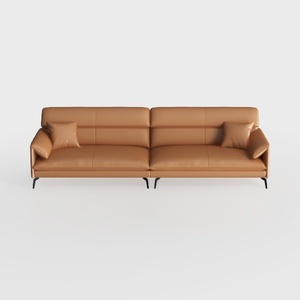
Modern Minimalist Tan Leather Living Room Sofa 3D Model
Homestyler is an outstanding online home design platform perfect for anyone looking to transform their space. With its easy-to-use design tool, stunning 3D renderings, and a treasure trove of DIY video tutorials, you can effortlessly bring your creative visions to life, no experience needed!
Desain sekarang Gratis
































