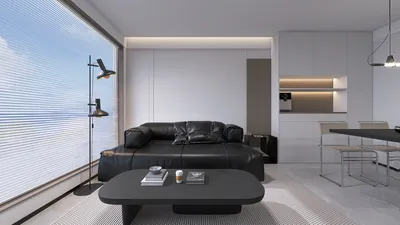


Sky blue exudes a soothing clarity that can immediately transform the atmosphere of a room. I utilize it to make small spaces feel larger, mitigate the warmth of sunlight, and impart a gentle sense of optimism without being visually overwhelming. This color occupies an ideal range: it is light enough to enhance visual space, yet rich enough to ground a design scheme. Beyond mere aesthetics, its effects can be quantified—research from Steelcase reveals that employees report a 23% increase in satisfaction in work environments that foster psychological comfort, with color choice playing a crucial role in that comfort. The WELL v2 framework also highlights the importance of spaces that minimize stress responses and promote circadian well-being, principles that sky blue supports when combined with appropriate lighting.
Understanding color psychology is essential. According to Verywell Mind, blue is closely associated with tranquility, trustworthiness, and the reduction of sympathetic arousal, which explains why sky blue is particularly effective in bedrooms, study areas, and flexible workspaces. To honor physiological responses, I balance sky blue with suitable lighting levels: IES guidelines suggest illuminance targets ranging from 300 to 500 lux for everyday tasks, with warmer evening light helping to ease alertness before bedtime. This careful coordination of color and light ensures that rooms remain peaceful without becoming monotonous.
Establishing the Right Atmosphere: Selecting the Perfect Sky Blue
Not all sky blues are alike. I begin by examining the undertone—greens leaning toward teal create a coastal freshness, while reds leaning toward cerulean produce a soft, timeless appeal. For spaces facing north, I prefer a warmer variant of sky blue to offset the cooler daylight, while south-facing rooms can handle a sharper blue without becoming frigid. I always test paint samples under both morning and late afternoon sunlight to ensure the color maintains its integrity throughout the day, opting for eggshell or matte finishes to minimize glare.
Harmonizing Neutrals for Equilibrium
Sky blue truly shines when it is anchored. I often pair it with soft taupe, greige, or light sandy tones to balance its uplifting effect. In living rooms, a sky blue backdrop adorned with textured linen curtains and a warm oak coffee table creates a beautiful rhythm—cool colored walls combined with warmer wooden elements and soft fabrics. This combination acknowledges human factors: the warmth of materials counters the chilliness of blue, maintaining visual comfort through contrasts and tactile elements. Acoustic solutions like wool-blend rugs and textured fabric panels help keep the atmosphere serene by absorbing mid-to-high frequency sounds.
Illumination: Color Temperature and Lux Levels
To ensure that sky blue appears true to its nature, I carefully coordinate lighting choices. For work areas, I rely on 4000K task lighting set at approximately 500 lux, striking a balance between clarity and comfort, while communal areas shine best with 2700–3000K lighting around 150–300 lux for a softer ambiance. I create layers with ambient (ceiling or cove), task (desk or reading), and accent (picture lights, wall washers) so that the blue remains vibrant. Dim-to-warm LEDs mimic the gradual shift of sunset tones, making them ideal for evening relaxation. It's essential to control glare—using diffusers, indirect lighting, and matte wall finishes helps to display the sky blue evenly.
Bedrooms: A Tranquil Retreat
In bedrooms, sky blue serves as a serene canvas for peaceful routines. I apply it to the headboard wall, framing a restful centerpiece, pairing it with ivory linens and walnut nightstands for tonal harmony. If darkness is crucial, I choose lined curtains in sandy neutrals—this prevents early morning light from chilling the blue while supporting restorative sleep, a key WELL v2 aim concerning circadian principles. I also incorporate a gentle reading lamp at 2700K, dimmed to below 200 lux, to create conditions conducive to melatonin production.
Living Rooms: Invigorating Social Spaces
For areas designed for social interaction, I emphasize texture: boucle or linen seating, ribbed ceramic lamps, and natural jute rugs. A sky blue accent wall behind the sofa can beautifully display art featuring warm undertones—such as terracotta, ochre, or brass—ensuring the whole composition feels inviting rather than chilly. If your layout must be modified to alleviate circulation challenges, consider using a room layout tool to simulate seating arrangements and optimize sightlines, facilitating a smooth flow.
Kitchens and Dining Areas: Bright and Inviting
In the kitchen, sky blue cabinetry adorned with satin brass hardware creates a contemporary feel without entering sterile territory. I prefer full-height backsplashes of white zellige or honed quartz to enhance light reflection. Under-cabinet task lighting should achieve 300–500 lux as recommended by IES for prep areas, while pendants above the island at 3000K contribute to an appetizing palette. Dining spaces benefit from adjustable pendants—soft, warm illumination reduces contrast, making the blue feel enveloping rather than stark.
Home Office: Productivity Without Fatigue
Sky blue helps diminish cognitive fatigue. According to research by Steelcase, environments carefully designed for comfort can significantly boost perceived productivity and engagement; a low-saturation sky blue wall behind a computer monitor minimizes visual distractions and glare. Maintain desktop lighting at around 500 lux, while avoiding excessively cool lighting; 3500–4000K provides clarity without compromising eye comfort. Adding plants introduces micro-texture and a touch of greenery, enhancing biophilic elements without visual clutter.
Children’s Rooms: Playful Yet Calming
For children's spaces, I steer clear of overly sweet pastels and opt for a balanced sky blue paired with playful designs—such as color-blocked alcoves, patterned ceiling borders, or minimalist stenciled cloud designs. Storage solutions can also contribute to visual rhythm with neutral-toned open bins and a cork pinboard for managing visual clutter. Acoustically, felt panels or plush rugs ensure the area remains calm during playtime, preserving the soothing quality of blue.
Bathrooms: Serenity and Clarity
Sky blue tiles or paint beautifully complement brushed nickel fixtures and white quartz surfaces. I focus on achieving consistent lighting—backlit mirrors at 3000–3500K alongside diffuse overhead lighting—to avoid causing the color to appear inconsistent across vertical areas. Non-slip, matte finishes assure safety and reduce glare in wet zones.
Accent Techniques: Strategic Uses of Sky Blue
If committing to full walls feels too bold, consider introducing sky blue in more focused areas: as a paneled wainscot, within shelving niches, around window frames, or even on ceiling planes to echo the sky. A ceiling painted in a very light shade of sky blue can enhance perceived height and soften shadows from downlights. In compact rooms, I reserve the deepest sky blue tones for doorways or a singular partition, adding vibrancy without closing in the space.
Textures, Materials, and Sustainability
The character of materials influences the room's atmosphere. Linen, cotton, and wool provide breathable softness; rattan and oak inject warmth; while recycled glass tiles and low-VOC paints maintain a healthy palette. I emphasize the importance of FSC-certified woods and Greenguard Gold-certified finishes whenever feasible, connecting the tranquility of sky blue with sustainable practices. For acoustic comfort, layering textiles and implementing cork wall tiles helps mitigate noise, ensuring the color’s serene nature remains intact.
Contrast and Color Companions
Sky blue pairs beautifully with ivory, cream, sand, and warm gray tones. For bolder designs, consider pairing it with rust, terracotta, mustard, or forest green—each color introduces balance and complexity. I recommend adhering to a 60/30/10 ratio: 60% neutral base, 30% sky blue, and 10% accent hues to maintain visual organization while allowing for personal expression.
Spatial Ratios and Visual Weight
When designing layouts, I chart circulation and sightlines prior to color application. Blue naturally draws attention, so I utilize it strategically to anchor important views—end walls, framed alcoves, or ceilings. If you're rearranging furniture to sidestep glare and improve task lighting, a layout simulation tool can facilitate quick trials and reveal how sky blue interacts from various perspectives.
Creating Cohesion Throughout the Home
Consistency is key. Introduce sky blue throughout your home in subtle ways—through artwork matting, throw pillows, or door frames—so that rooms feel interconnected without being identical. A continuous thread of blue across transitional areas, like hallways, enhances flow and maintains tranquility.
Authority Reference
For further exploration into workplace comfort and human-centered design, I frequently cite Steelcase’s research repository, which links environment quality to well-being and performance. Discover additional insights at Steelcase Research.
Frequently Asked Questions
Choose a light, slightly warm sky blue with a matte finish to minimize glare and maintain an expansive feel in the room. Always test in morning and evening light to confirm the hue remains soft throughout the day.
Utilize layered lighting: ambient light at 150–300 lux with 2700–3000K for relaxation, and task lighting at 300–500 lux with 3500–4000K for work. Employ diffusers and indirect fixtures to help the color appear uniform.
No, provided you select a warmer-leaning sky blue and incorporate warm woods, brass accents, and textiles in cream or taupe tones. This combination supports a balance against cooler daylight.
Absolutely. A low-saturation sky blue reduces visual strain and encourages calm concentration. Pair it with task lighting around 500 lux while avoiding excessively cool color temperatures.
Neutral colors (ivory, sand, greige) and warm accents (terracotta, mustard, brass) add contrast. Incorporating green plants provides biophilic texture without overwhelming the overall aesthetic.
Sky blue works beautifully for cabinets or walls when paired with tactile materials—honed quartz, zellige, or oak. Always align task lighting with IES guidelines, aiming for around 300-500 lux.
Employ dimmable warm lighting at or below 200 lux using 2700K bulbs, lined drapery for light control, and a balanced fusion of warm materials to prevent the blue from appearing cold.
Matte or eggshell paint minimizes glare. For hardware choices, brushed brass or nickel complements sky blue while introducing tactile richness.
Indeed, a very light sky blue ceiling elevates perceived height and softens shadows cast by downlights, creating a gentle canopy effect.
Layer various textiles—wool rugs, upholstered panels, heavy drapery—and include cork elements to absorb noise while maintaining tranquility.
Implement sky blue in trims, doors, shelving niches, or wainscoting. Soft furnishings like cushions and throws can also carry this color thread throughout the space.
Center seating to face the focal wall, ensuring that circulation paths remain clear. If necessary, use an interior layout planner to refine flow and sightlines.

Modern Fabric L Shaped Sectional Sofa 3D Model

Modern Marble Top Black Metal Frame Coffee Table 3D Model

Modern Teal Fabric Oversized Loveseat Sofa 3D Model
Looking to transform your space? Homestyler is your go-to online home design platform! With its user-friendly design tool, stunning 3D renderings, and an array of inspiring design projects and video tutorials, you'll be empowered to create your dream home effortlessly.
Design Now for FREE
































