

I have crafted, constructed, and updated more than a dozen tree houses in backyards. The most effective designs harmonize imaginative play with safety considerations, tree vitality, and enduring upkeep. A good guideline is to maintain lightweight loads and gentle connections so that the tree can expand and bend without undue stress. Research from Steelcase shows that interacting with nature can enhance cognitive functions by up to 10-15% in work environments; similarly, I observe an increase in children's concentration and creativity when a backyard tree house is incorporated into their daily activities. The WELL v2 framework also highlights the importance of nature and natural light, shaping my strategies for illumination and air movement in these elevated play areas, which can be easily visualized using a room design tool like Homestyler.
The layout is driven by safety and ergonomic principles. Studies from Herman Miller focus on optimal reach zones and stair dimensions that minimize strain; these can be applied to ladder inclinations (aim for 70-75°, preferable to steep vertical angles) and tread spacing (7-8 inches preferred). For lighting, the Illuminating Engineering Society (IES) suggests a task lighting range of 300-500 lux. If your tree house includes reading areas, target the higher end of this spectrum with fixtures that reduce glare. Colors such as blues and greens, according to Verywell Mind’s findings on color psychology, foster tranquility and concentration, making them excellent choices for interiors intended for reading or quiet activities.
It is imperative to prioritize tree health. Techniques such as floating beam systems and adjustable slings can protect cambium tissue. Avoid tightly wrapping the trunk—allow 1-2 inches of expansion space and schedule seasonal inspections. If a tree is unsuitable, consider constructing a freestanding platform nearby to enjoy the canopy experience without harming the roots.
Designing the Structure: Platforms, Weight Limits, and Secure Attachments
I begin with a platform tailored to the tree's branching pattern and wind exposure. Use conservative spans, opting for 2x8 or 2x10 joists for platforms measuring 8-10 ft, incorporating blocking for lateral support. Only use lag bolts or treehouse attachment bolts (TABs) where the trunk is mature and robust, and remember to pre-drill. If testing diverse layouts, Homestyler can assist in visualizing clearances and access points before any materials are cut.
Access Points: Ladders, Stairs, and Ropes
Safe access is crucial for daily use. A slightly sloped ladder (70-75°) with handrails is more accommodating for younger children. For staircases, aim for 7-8 inch risers and 10-11 inch treads. Rope ladders offer a fun option but should serve as a secondary access point; they work best alongside a stable main stairway. Ensure that landing areas have a clear width of 36 inches for easy movement.
Safety Railings and Enclosures
For platforms that rise above 30 inches, rail heights should sit between 36-42 inches. To prevent head entrapment, maintain baluster spacing of under 4 inches. Mixing materials—such as cedar rails complemented by stainless steel cable infill—preserves views while providing a modern aesthetic. If the tree house will host sleepovers, consider installing insect screens and self-closing latches.
Illumination and Glare Management
Natural light creates a magical ambiance, yet it requires careful control. If possible, orient windows away from direct afternoon sunlight and incorporate overhangs. Inside, opt for warm-white LEDs around 2700-3000K for cozy evening lighting, paired with neutral-white task lights (3500-4000K) situated near workspaces. Keep fixtures shielded to prevent glare, utilizing diffusers or backlit panels for comfort.
Color Psychology: Influencing the Atmosphere
Color significantly influences mood. Greens and soft blues encourage calmness and focus, while sunny yellow accents can energize creative spaces. Keep bold red tones minimal, as they can induce overstimulation in larger areas. Using natural finishes like oiled cedar and bamboo panels anchors the color scheme in a biophilic design context.
Acoustics: Creating Quiet Areas and Active Spaces
Even smaller tree houses can benefit from acoustic zoning. Utilize felt pinboards, cork tiles, or plush rugs to dampen sound in reading areas. Position noisy play zones near the entry, allowing sound to dissipate outward.
Material Selection: Choosing Lasting, Low-Maintenance Options
Opt for weather-resistant woods such as cedar and cypress, which naturally resist decay. Pressure-treated lumber is a practical choice for structural components, but should be kept away from direct skin contact in play areas. Use stainless steel fasteners and exterior-grade screws to prevent rust. For an eco-friendlier approach, seek FSC-certified wood and low-VOC finishes.
Weatherproofing and Water Management
Incorporate sloped roofs (minimum 3:12) with offers like ice and water shields beneath shingles. If preferring a flat design, create a slight pitch and install internal drainage options. Ensure that any trunk penetrations are flashed appropriately, while leaving expansion gaps to prevent bark entrapment. Allow 1/8-1/4 inch spacing between deck boards for effective drainage.
Creative Project Concepts: Ranging from Simple to Advanced
Construct a 6x8 ft platform attached to two limbs with adjustable slings and an additional post for stabilization. You can enhance it with a canvas shade for seasonal adaptability and a basic railing. Ideal for a weekend project.
Create a compact 5x7 ft loft featuring a built-in bench, a wall-mounted 4000K LED task light providing approximately 400 lux, a cork bulletin wall, and sliding insect screens. A sage green paint finish creates a soothing atmosphere.
Connect two small platforms using a rope-and-plank bridge, ensuring planks are 12 inches wide and including side nets for safety. Install a stable stairway at one end to accommodate various age groups.
Design insulated walls using rigid foam, alongside operable windows, and a low-loft bunk. Incorporate a solar-powered light and USB outlet, while sound-absorbing panels help to contain nighttime whispers.
Integrate a fold-down worktable, complete with a magnetic tool strip and storage below the bench. Use washable paint finishes, aiming for a bench height of 35-37 inches for comfortable use by older children and adults.
Include a periscope-style window, bird feeders, and a small weather station. Decorate the interior with phosphorescent stars to mark constellation patterns, and use a dimmable warm-white LED to enhance the experience.
Layout and Accessibility Suggestions
Design clear zones: entry/transition, quiet space, active play areas, and storage solutions. Maintain a circulation path of 24-30 inches throughout the structure. If the geometry of the tree is complex, using a layout simulation tool like Homestyler can help test door movements and railing placements.
Safety Checklist
- Perform annual inspections of hardware and retighten as necessary.
- Check the expansion clearances around the trunk and branches regularly.
- Ensure non-slip treads and weather-resistant handrails are installed.
- Round edges to avoid protrusions from bolts.
- Provide soft landing zones under access points, using mulch or rubber tiles.
- Be aware of lightning; avoid metal roofing in areas prone to storms.
Maintenance and Tree Care Recommendations
Annually trim dead branches and monitor for pest activity. Clean and reseal exposed wood surfaces every 2-3 years. Adjust supports as the tree grows and document changes with photographs to easily identify any structural shifts.
Bringing It All Together
A meticulously constructed tree house merges ergonomics, acoustics, lighting, and color while respecting the living character of the tree. Allow for flexibility, safeguard the trunk, and emphasize secure access. By mastering these core elements, the creative aspects—like bridges, cozy corners, and viewing platforms—become the enjoyable finishing touches.
Frequently Asked Questions
Q1: What type of trees are best suited for constructing a DIY tree house?
A1: Mature hardwoods such as oak and maple are optimal due to their dense wood and strong branching structure. Look for healthy trunks with minimal disease and branches at least 8-10 inches in diameter.
Q2: How high should the tree house be above ground?
A2: For children's use, heights of 6-10 feet provide an adventurous feel while ensuring manageable rail heights. Heights exceeding 10 feet necessitate stricter safety protocols and robust access systems.
Q3: Will I need to obtain permits?
A3: Many local governments classify tree houses as accessory structures. Check your local regulations regarding height, setbacks, and guard requirements. Adding utilities typically increases the likelihood of needing a permit.
Q4: What steps should I take to protect the tree during construction?
A4: Minimize penetrations, pre-drill holes, and select hardware that corresponds with the tree's diameter. Opt for floating beams or slings that distribute weight and allow for 1-2 inches of growth clearance.
Q5: Which lighting solutions provide safety and efficiency?
A5: Low-voltage, outdoor-rated LEDs are the safest option. Target 300-500 lux for reading spaces and utilize 2700-3000K lighting for a cozy atmosphere. Ensure fixtures are shielded to minimize glare.
Q6: What strategies can I use to manage noise levels?
A6: Incorporate soft furnishings—like felt, cork, and rugs—particularly within enclosed spaces. Separate active play areas from quieter corners. Small spaces also benefit from doors designed to minimize sound leakage.
Q7: Which materials are the most enduring for outdoor use?
A7: Cedar, cypress, and pressure-treated lumber are excellent for structural purposes, along with stainless steel fasteners. Finishing with exterior-grade, low-VOC coatings enhances longevity and health.
Q8: What is the safest ladder design for children?
A8: A ladder inclined at 70-75° with handrails and 7-8 inch risers is advisable. Include anti-slip treads and ensure clear landing spaces at both the top and bottom.
Q9: Is it possible to build without piercing the trunk?
A9: Absolutely—consider using tensioned slings around larger branches or establishing a freestanding post-and-beam platform adjacent to the tree, complete with a small bridge leading into the canopy.
Q10: What best practices should I follow for effective weatherproofing?
A10: Ensure a roof pitch of at least 3:12, seal any penetrations, and create space between deck boards for drainage. Weather-rated membranes should be used where necessary.
Q11: How frequently should I conduct inspections?
A11: At minimum, perform inspections annually following storm seasons. Check fasteners, railings, ladder stability, and clear spaces around the trunk and branches.
Q12: Do you have any recommendations for choosing color schemes?
A12: Utilize greens and blues to promote calm, incorporating yellow highlights for vibrancy. Limit deep red tones and pair them with natural wood to prevent visual fatigue.
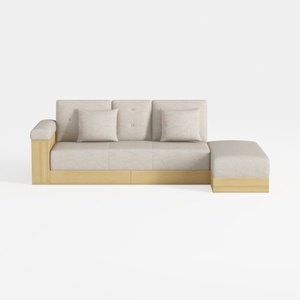
Minimalist Linen Solid Wood Sectional Sofa 3D Model
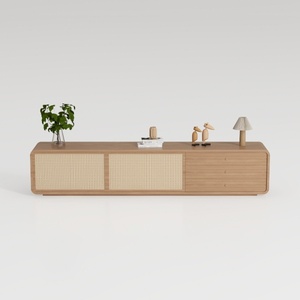
Minimalist Japandi Oak Rattan TV Cabinet 3D Model

Vintage Brown Leather Modern Sofa With Contrast Stitching 3D Model
Homestyler is an outstanding online home design platform perfect for all skill levels. With its user-friendly design tool, impressive 3D renderings, and a wealth of DIY video tutorials, you can effortlessly create and visualize your dream spaces. Transform your ideas into reality today!
Design Now for FREE
































