

Creating a captivating 3D representation of a food chain is an effective method to visualize ecological connections and enhance our understanding of energy flow within ecosystems. Whether you are a student, a teacher, or simply interested in biology, this hands-on project provides clarity on the interactions between producers, consumers, and decomposers. Here’s a guide on how to design and develop a compelling and accurate 3D food chain model using innovative tools like Homestyler.
1. Select Your Ecosystem
Choose a specific ecosystem for your food chain—such as a forest, ocean, grassland, or freshwater environment—so that your model accurately represents real-world scenarios. Dive into research about its local flora and fauna, concentrating on the observable producer-to-consumer relationships.
2. Identify Essential Organisms
Make a list of key organisms at each trophic level: producers (like grass or algae), primary consumers (herbivores), secondary consumers (carnivores), tertiary consumers (top predators), and decomposers (like fungi or bacteria).
3. Collect Your Materials
You will require materials such as modeling clay, colored paper, pipe cleaners, glue, cardboard, and labels. For those interested in digital 3D models, consider user-friendly platforms that provide realistic renderings of food chains. Tools like Homestyler can aid designers by offering pre-made ecological models, allowing you to focus on layout and clarity while crafting your project.
4. Build Physical Models
Shape each organism using clay or paper and secure them on a stable base. You can arrange them vertically with producers situated at the bottom and apex predators at the top, or horizontally, according to your available space. Make sure to attach arrows between organisms to indicate the flow of energy.
5. Create Digital 3D Models
Embrace modern technology by utilizing digital platforms that give you the ability to modify layouts, add labels, and produce photorealistic visuals. For instance, using a 3D Floor Planner can help map out your ecosystem’s layers—like pond edges or forest levels—ensuring spatial accuracy, much like I do when designing rooms or interiors using Homestyler.
6. Label and Explain Clearly
Provide clear labels for each organism and trophic category. Think about including concise descriptions or essential facts alongside each figure to reinforce the learning experience.
7. Present and Reflect on Your Work
After completing your model, present the relationships depicted in your food chain. Discuss the implications of removing a single organism, which illustrates the delicate balance of ecosystems—an essential insight in both ecological and design discussions.
Tips 1:
From a design standpoint, consider the visual impact of your model. Utilize color coding for different trophic levels and ensure arrows are bold and clear. Arrange elements so that viewers can quickly understand the relationships—similar to arranging focal points in a room. Digital tools, including Homestyler, facilitate adjustments in spatial relationships, ensuring accuracy and visual appeal.
FAQ
Q: What materials can I use for a 3D food chain model?
A: You can utilize modeling clay, paper, pipe cleaners, cardboard, or even digital 3D applications. Select materials based on your resources and the durability you desire for your model.
Q: How do I decide which organisms to include?
A: Concentrate on key representatives from each trophic level: a primary producer, at least one primary and one secondary consumer, and if possible, a decomposer.
Q: Is it possible to create a digital 3D food chain model?
A: Absolutely, digital platforms enable you to craft, arrange, and label 3D models, providing flexibility and a polished look that’s perfect for educational settings and presentations.
Q: How can I demonstrate energy transfer in my model?
A: Use arrows to illustrate which organism consumes which. The arrow should always direct from the organism being consumed to the one doing the consuming.
Q: What advantages does a 3D model have over a 2D diagram?
A: Three-dimensional models provide a tangible, interactive experience, enhancing the clarity of relationships while making learning more engaging, particularly in educational environments.
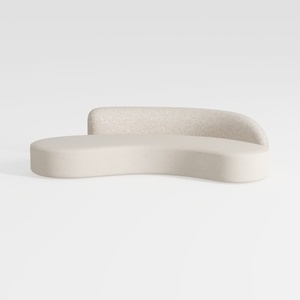
Minimalist Boucle Curved Sofa 3D Model

Minimalist Glass Top Solid Wood Base Irregular Coffee Table 3D Model
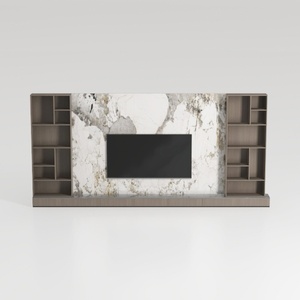
Modern Marble Solid Wood TV Wall Unit With Bookshelves 3D Model
Homestyler is an outstanding online home design platform perfect for all skill levels. With its user-friendly design tool, stunning 3D renderings, a plethora of inspiring design projects, and helpful DIY video tutorials, transforming your space into your dream home has never been easier!
Design Now for FREE
































