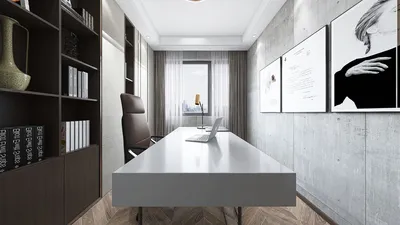


A client once described their bathroom as akin to a monastery—void of chaotic patterns, clutter, and mirrors that might reflect the turmoil of the outside world. This unusual request compelled me to reassess how to prioritize the layout, and from this slight ‘design rebellion’, I realized that even minor decisions can significantly influence a room's atmosphere. To practically explore ideas, I frequently begin with a serene layout concept and quickly experiment with designs using digital mockups, such as those offered by Homestyler.
Small bathrooms often ignite immense creativity, and creating a zen atmosphere involves focusing on simplicity, texture, and light. Here are five practical ideas that I implement in my projects, complete with insights on their advantages and potential pitfalls.
1. Embrace Minimalism with Floating Fixtures
I appreciate floating vanities and wall-hung toilets for their ability to visually declutter the floor space, thus simplifying cleaning. This design not only enhances the airy ambiance but requires careful plumbing considerations—allocate a budget for a professional familiar with concealed installations.
save pin
2. Opt for a Soft, Natural Color Palette
Consider warm greys, whites, and understated earthy tones; these hues are soothing to the eye and blend beautifully with natural materials like wood and stone. Both paint and tile are cost-effective enhancements, but be cautious: an overload of undertones can lead to disharmony, so test colors in the actual bathroom light prior to finalizing your choices.
save pin
3. Incorporate Layered Lighting for Tranquility and Utility
Utilizing task lighting by the mirror, gentle cove lights, along with a low-glare ceiling fixture, can create a spa-like ambiance through progressive illumination. I often conduct a quick 3D study to find a balance between brightness and mood—if delivering calming visuals to a client is essential, using calming renderings helps them truly feel the concept (calming visualizations).
save pin
4. Curate Texture Without Clutter
Employ natural materials such as matte stone tiles, untreated wooden shelves, and textured plaster, which contribute tactile enjoyment without adding visual chaos. However, maintenance can be a consideration; raw wood requires sealing, and porous stones need gentle care, yet the outcome is a subdued, layered richness that photographs fail to capture entirely.
save pin
5. Design a Thoughtful, Compact Layout
For small bathrooms, a shower niche measuring 60–120 cm wide, pocket doors, or repositioning the vanity can promote a sense of openness. Before shifting plumbing, sketch a straightforward plan to examine circulation; I commonly convert that sketch into a basic floor plan to validate clearances and flow of movement (simple floor plan).
save pin
FAQ
1. What characterizes a zen bathroom?
A zen bathroom is essentially a serene, uncluttered space that employs natural materials, soft lighting, and a restrained color scheme to evoke relaxation. It prioritizes ambiance and careful curation over rigid rules.
2. Which materials suit a zen aesthetic?
Matte stone tiles, natural woods (properly sealed), and soft plaster or limewash paints are ideal choices. These materials age gracefully and introduce subtle texture without being overly commanding.
3. How critical is ventilation in a small bathroom?
Extremely critical—adequate ventilation prevents mold growth and preserves materials. For best practices regarding indoor air quality and ventilation, refer to the EPA’s guidelines.
4. Can I create a zen bathroom on a limited budget?
Absolutely—prioritize painting, optimizing lighting, and implementing organized storage solutions; these adjustments yield significant mood enhancements for each dollar spent. Substitute pricey stone materials with high-quality porcelain, if necessary.
5. Do underfloor heating systems work with a zen layout?
Certainly—radiant heating is both subtle and luxurious, enhancing the cozy spa-like environment without visual disturbance. Although installation can be more expensive, the comfort it provides is worth the investment.
6. How can I incorporate plants in a small, humid bathroom?
Select moisture-loving plants such as ferns, pothos, or peace lilies, placing them in areas with indirect light or near windows. Keep planters uncomplicated to maintain the clean, zen look.
7. Should mirrors be avoided in a zen bathroom?
Not by necessity—mirrors can make a compact space appear larger and softly reflect light. I lean towards frameless or minimally framed designs to preserve a soft and uncluttered feel.
8. How can I maintain minimalism without making the space feel cold?
Introduce warm textures—like towels, a wooden stool, or natural fiber mats—to infuse warmth devoid of clutter. I often experiment with combinations in the actual space for several days to ensure the room feels inviting and tranquil, rather than sterile.
Homestyler is your go-to online home design platform! With its user-friendly design tool, stunning 3D renderings, and a wealth of design projects and video tutorials, you can effortlessly create and visualize your dream spaces. Transform your home design journey today!
Design Now for FREE
































