


Building a 3D representation of the left ventricle is an exciting endeavor for both biomedical students and design experts passionate about medical visualization. As a vital part of the heart's structure, the left ventricle is frequently modeled for educational, diagnostic, or simulation uses. This guide will walk you through creating a detailed and attractive 3D model of the left ventricle, incorporating the Homestyler tool for enhanced design flexibility.
Step 1: Gather Reference Materials
Start by collecting comprehensive reference materials such as medical illustrations, MRI or CT scans, and anatomical 3D models. These resources are crucial for ensuring that your model remains anatomically precise and offers different viewpoints.
Step 2: Select Appropriate Modeling Software
Choose a 3D modeling software that meets your expertise level and the complexity of your project. Popular options include Blender, Autodesk Maya, and dedicated medical tools like Mimics or 3D Slicer. For interior designers, utilizing flexible 3D platforms like Homestyler can provide extensive visualization and customization options, effectively transforming technical information into dynamic spatial representations.
Step 3: Import or Outline Anatomy Data
For precision, import DICOM files from MRI or CT scans as reference planes. Many medical modeling applications can convert these images into foundational meshes, facilitating the modeling journey.
Step 4: Start Shaping the Model
Utilize box modeling techniques or sculpting tools to construct the external shape of the left ventricle. Concentrate on defining crucial anatomical features such as the apex, base, and wall thickness, while subdividing the mesh for enhanced detail and accuracy.
Step 5: Enhance the Model with Details
Incorporate internal features like trabeculae carneae and papillary muscles. Employ sculpting brushes for natural forms and regularly refer back to your anatomical references for guidance.
Step 6: Add Textures and Materials
Apply realistic textures and assign suitable materials to replicate muscle tissue characteristics accurately. Optimize lighting and rendering settings to emphasize spatial dimensions and depth.
Step 7: Export and Share Your Creation
Once your model is complete, export it in an appropriate format (for example, .stl, .obj, .fbx) for use in simulations, animations, or 3D printing applications.
As a designer, it's beneficial to integrate these models into broader educational or spatial displays. For instance, embedding a 3D model of the left ventricle into sophisticated room designs or medical exhibition setups enhances visualization and builds spatial awareness among viewers. Using versatile tools like Homestyler allows you to fit your anatomical models into innovative, interactive environments, expanding both educational engagement and user interaction.
Tips 1:
For educators, animating aspects such as blood flow and ventricular contractions can significantly enrich your 3D model. Pairing high-resolution visualizations with annotated diagrams fosters clearer understanding in educational contexts.
FAQ
Q: What software is best suited for 3D medical anatomy modeling?
A: It is advisable to utilize specialized medical modeling software such as 3D Slicer, Mimics, or Blender with anatomy plugins for superior fidelity. Designers might also find solutions like Homestyler effective for exhibit or spatial design.
Q: Am I able to incorporate real MRI or CT data in my model?
A: Certainly! Numerous 3D modeling platforms support DICOM file formats, enabling you to trace or transform real scan data for anatomical accuracy.
Q: How can I guarantee anatomical precision in my model?
A: Consistently consult medical literature, peer-reviewed images, and collaborate with experts to ensure your 3D model aligns accurately with genuine anatomical details.
Q: Can I animate the movement of the left ventricle?
A: Definitely. Most advanced 3D applications enable keyframe or physics-based animations, allowing you to visualize muscle movements and simulate blood flow effectively.
Q: Is 3D printing my left ventricle model an option?
A: Yes! After exporting your model in compatible formats like .stl or .obj, it can be utilized for 3D printing for educational demonstratives.
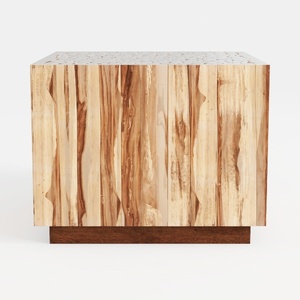

Minimalist Solid Wood Accent Cabinet with Textured Top 3D Model
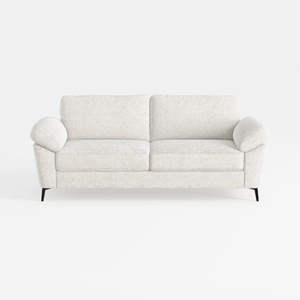
Minimalist Fabric Loveseat Sofa with Black Metal Legs 3D Model
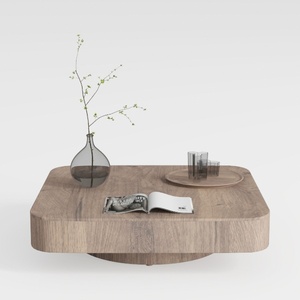
Minimalist Solid Oak Square Floating Coffee Table 3D Model
Discover the creative potential of Homestyler, the ultimate online home design platform. With its user-friendly design tool, stunning 3D renderings, diverse design projects, and helpful DIY video tutorials, you can effortlessly turn your home ideas into reality, regardless of your experience level!
立即免费设计
































