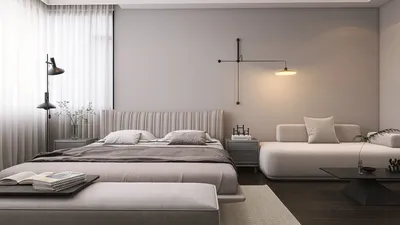


On a chilly winter night, a client requested assistance with transforming their compact living room into a warm and cozy cabin ambiance, perfect for sharing on Instagram. While I was tempted to suggest lowering the ceiling, I opted instead for clever lighting techniques honed over more than a decade of small-space design experience. When working with limited spaces, innovative solutions are key: a single lamp can effectively substitute for multiple fixtures if positioned correctly. In this piece, I will share five cozy living room lighting strategies I've mastered, each accompanied by realistic advantages, potential drawbacks, and a practical tip sourced from real-life projects.
1. Layered lighting with dimmers
I always emphasize the importance of three distinct layers: ambient, task, and accent lighting. An overhead fixture provides general illumination, while a floor lamp or reading lamp caters to specific tasks, and wall sconces or LED strips bring in accent lighting. One major benefit is the addition of dimmers — which can seamlessly transition a room from bright daylight to a cozy movie ambiance with ease. The downsides include the additional costs of dimmers and the requirement for compatible bulbs; nevertheless, this is arguably the best upgrade to cultivate a cozy atmosphere.
save pin
2. Warm color temperature and tunable white
Select bulbs with a color temperature between 2700–3000K to create a warm and inviting glow. For versatile living spaces, I prefer tunable white fixtures that allow you to switch to cooler lighting for tasks and warmer tones for evenings. A valuable tip from a renovation project is to label your switches or utilize smart scenes, ensuring your guests don't accidentally disrupt the intended ambiance. While tunable systems may come at a slightly elevated price, the comfort they provide makes it a worthwhile investment.
save pin
3. Use layered accent lights to highlight textures
Incorporating accent lighting — such as picture lights, uplights behind furniture, or backlit shelving — adds depth and showcases materials like brick or wood. I once utilized an LED strip behind a mid-century credenza, and it made the entire small room feel significantly larger. However, be cautious of glare and avoid excessive competing highlights; maintain a visual hierarchy so that one feature draws attention while others complement it.
save pin
4. Multipurpose lamps and movable fixtures
Using floor lamps with adjustable arms or plug-in wall lamps offers the flexibility to reposition lighting as seating arrangements change. In one studio I designed, a clamp lamp functioned effectively as both a reading light and a dining pendant over a foldable table. The challenge lies in managing cables and ensuring that the fixtures appear intentional; concealing cords with simple channels or routing them along trim can help achieve a tidy appearance.
save pin
5. Smart lighting scenes and voice control
Smart bulbs and lighting scenes enable you to activate settings such as 'Relax,' 'Dinner,' or 'Movie' with a simple tap or voice command. I typically establish three scenes for nearly every client — guests appreciate the convenience, and it effectively prevents over-lighting. Some possible drawbacks include platform dependency and sporadic software issues; thus, keeping a physical dimmer or switch override ensures you’re never left in darkness.
If you're looking for an interactive way to experiment with layouts and lighting configurations before committing to purchasing fixtures, consider using a 3D room planning tool like Homestyler. It allows you to visualize light positions and observe shadows within a virtual environment.
save pin
FAQ
Q: What bulb color temperature is best for cozy living rooms? A: Aim for bulbs within the 2700–3000K range for a warm, inviting light that’s perfect for relaxation and entertaining.
Q: How many layers of lighting do I need? A: Typically, three layers — ambient, task, and accent — provide comprehensive control and adaptability for various activities.
Q: Are smart bulbs worth it for a small living room? A: Definitely, especially for scene management and tunable white options; just be prepared for a slightly higher initial cost and potential firmware updates.
Q: Can LED strips enhance the coziness of a room? A: Absolutely — when used to draw attention to features or provide soft lighting, they contribute warmth without causing glare.
Q: What’s the best way to avoid glare from accent lights? A: Utilizing diffusers, indirect placement, or directing lights away from eye level can effectively minimize discomfort.
Q: How crucial are dimmers? A: Very crucial — dimmers transform fixed lighting into adaptable atmospheres; ensure you choose compatible bulbs and switches.
Q: Any quick budget tips for cozy lighting? A: Start with one quality dimmable fixture and a floor lamp featuring warm bulbs; you can add accents as your budget allows.
Q: Where can I learn lighting best practices from experts? A: The Illuminating Engineering Society offers authoritative resources on lighting standards (https://www.ies.org/) which I frequently consult for fixture placements and illuminance levels.
save pin
Looking to transform your space? Homestyler is your go-to online home design platform! With its easy-to-use design tool, stunning 3D renderings, and a wealth of DIY video tutorials, you can effortlessly bring your creative visions to life. Start designing today!
立即免费设计
































