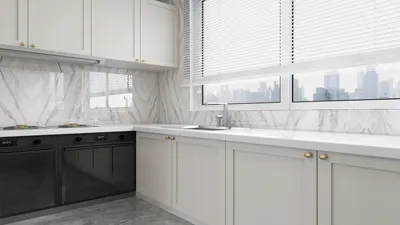


I once accepted the challenge of installing a compact hearth in a galley kitchen, where the homeowner also desired to have a TV mounted above it. This bold choice quickly taught me about the importance of clearances and managing kitchen grease more effectively than any textbook could. This experience turned into one of my most cherished lessons: working with limited spaces can indeed drive creativity, and a petite fireplace can transform into the focal point of a kitchen, rather than just consuming valuable space. Often, I recommend clients consider a practical kitchen case study, such as a snug fireplace setup, while we evaluate the best locations for the hearth in a way that maintains an effective workflow.
Mini Mantel with Mixed Materials
I have a fondness for slim mantels that combine wood and stone; they convey a sense of tradition while maintaining a small footprint. The benefit is that it adds character without disrupting the preparation area; however, the downside is that the porous nature of stone requires sealing to withstand the demands of a kitchen environment. A painted steel shelf placed beneath a stone surround provides heat resistance alongside a convenient space for spice jars or decorative elements.
save pin
Corner Fireplace with Open Shelving
Positioning the fireplace in a corner allows for more wall space to be utilized for cabinets and counters, and having open shelving encircling it helps create a visual balance. This arrangement is particularly useful in compact layouts, but careful planning for ventilation is necessary and it’s essential to ensure that the firebox doesn’t infringe on the clearance needed for appliances. In one particular remodel, I used a small gas insert alongside a tiling that allowed the shelving to be lightweight and easy to clean.
save pin
Integrated Hearth that Echoes Your Range Hood
Looking to add a dramatic touch without sacrificing workspace? You can match a compact electric or bioethanol fireplace with the finish of your range hood, creating a cohesive design element. This approach is modern, almost sculptural, and surprisingly functional; in one recent project, this concept of a unified metallic finish became the signature feature of the room. To visualize this layout and create 3D renderings, I often turn to designs inspired by the contemporary, almost artistic hearth concept offered through tools like Homestyler, which allows you to explore layout options creatively.
save pin
Floating Hearth and Hidden Storage
A floating hearth made from concrete or wood keeps the flooring unobstructed and can conceal storage options like drawers or a slide-out breadboard underneath. This design not only promotes cleanliness by maximizing storage but also requires careful engineering to ensure it can support weight and withstand heat. For budget considerations, options like engineered wood or terrazzo can deliver a similar aesthetic without incurring the high expenses associated with traditional masonry.
save pin
Outdoor-style Fireplace for Indoor Kitchens
For those looking to make a bold statement, consider incorporating rugged outdoor materials like stacked stone or corten steel into your indoor design, using a compact vented or bioethanol insert. This way, you can achieve that raw, inviting ambiance without the hassle of extensive chimney installation. I've found success in using faux-stone cladding to replicate that outdoor feel affordably, and it pairs beautifully with modern cabinetry, offering a striking contrast—to explore these style possibilities, tools like Homestyler can help you test various concepts around your cooking area with a focus on balanced scale.
save pin
Tips 1:
Here are some practical tips: always maintain at least the recommended clearances from combustible materials, opt for sealed inserts in kitchens prone to grease, and consider a removable screen for easier cleaning. If you’re working with a limited budget, you can achieve a stylish look by utilizing heatproof facades paired with an electric insert, providing a convincing yet cost-effective alternative to traditional installations.
save pin
FAQ
Q: Can I put a fireplace in a small kitchen?
A: Absolutely — small electric or bioethanol inserts are ideal for kitchens due to their minimal ventilation needs and compact size. The critical factors are ensuring appropriate scale and safe clearance from culinary surfaces and cabinets.
Q: Which fireplace type works best near kitchen heat and grease?
A: Sealed gas or electric inserts are the most convenient for kitchen settings as they don’t produce creosote like traditional wood stoves, making them easier to clean. Bioethanol options are also a clean-burning choice, but always verify the ventilation and fuel storage requirements.
Q: Do I need a chimney for a kitchen fireplace?
A: Not necessarily—many electric models and some bioethanol appliances do not require chimneys, while gas inserts generally need a vent. Always adhere to the manufacturer's installation guidelines along with local regulations.
Q: How close can a fireplace be to cabinets?
A: The clearance requirements vary by unit. For safety, always follow the specifications provided for each fireplace, and if unsure, leave ample buffer distance or use non-combustible materials around the fireplace area. The NFPA 211 and manufacturer resources provide detailed clearance tables for various appliances.
Q: What maintenance should I expect for a kitchen fireplace?
A: Electric models require minimal upkeep—just occasional dusting and checking of electrical connections. Gas units will need professional servicing periodically, and any open-burning fireplace should receive regular vent or chimney inspections.
Q: Are bioethanol fireplaces safe in kitchens?
A: They are considered safe when installed according to directions and well-ventilated. However, since they emit CO2 and heat, they are best suited as secondary heat sources rather than primary ones—be mindful of guidelines related to fuel handling and refill distances.
Q: How much does a small kitchen fireplace cost to add?
A: Budget-friendly electric inserts can range from a few hundred dollars plus installation costs, while custom stone surrounds and vented gas systems can run into the thousands. I always advise clients to budget for both the unit and safe installation practices.
Q: Where can I find code or standard guidance for fireplace installation?
A: Refer to established standards such as NFPA 211 (Standard for Chimneys, Fireplaces, Vents, and Solid Fuel-Burning Appliances) for clarity on installation and clearance regulations; local building departments will also have specific requirements, so it's essential to check both before commencing work.
save pin
Homestyler is your go-to online home design platform! With a user-friendly design tool, stunning 3D renderings, and a wealth of inspiring design projects and video tutorials, you can effortlessly create and visualize your dream space. Start designing today!
Desain sekarang Gratis
































