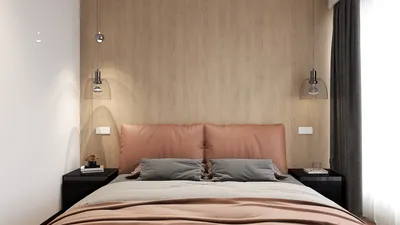


I view living rooms as dynamic exhibitions—spaces designed for hosting, relaxation, and showcasing individuality through artistic choices and thoughtfully curated details. A well-crafted wall art strategy serves not only to tell the story of a room but also enhances its spatial harmony and can even influence emotions and behaviors. When selecting artwork for residential spaces, it's essential to consider lighting, acoustics, and ergonomics so that every piece is visually stimulating yet not overwhelming, creating an enjoyable environment that can easily be designed using tools like Homestyler.
Careful selections are crucial: research from Herman Miller reveals that workplaces with a well-considered aesthetic and environmental quality can enhance satisfaction and perceived productivity, a principle easily applied at home when we curate harmonious visuals and comfort. The WELL v2 focus on reducing glare and ensuring visual comfort suggests task lighting should hover between 300–500 lux for well-balanced spaces. Accent lighting for wall art should remain in a similar range, controlling contrast ratios to make art pieces appear vivid and striking without taxing the eyes. According to Verywell Mind’s insights on color psychology, blues often evoke calm and trust, while warm colors like terracotta instill a sense of coziness—these are essential considerations when selecting artwork and frames. For a deeper understanding of the intersection of lighting and well-being, WELL Certified’s framework discusses visual comfort and supporting circadian rhythms, while Verywell Mind provides accessible information on the psychological effects of color.
Create a Cohesive Theme: Stories Over Merely Matching
Begin with a narrative that embodies the room's purpose—whether it's for social gatherings, reading, or quiet discussions. A cohesive theme will narrow down your selections: think of serene abstract coastal colors for evenings or black-and-white photography that brings a touch of sophistication, perhaps even botanical illustrations to evoke a calming biophilic atmosphere. Ensure your art aligns with a limited color scheme (two primary colors plus one accent) and carry this palette through your textiles and decor. Remember, scalability is important—pair a significant focal piece with smaller artworks to create hierarchy and visual rhythm, potentially using a platform like Homestyler for planning.
Art Placement Strategy: Consider Sightlines and Spatial Ratios
Position artwork so the center lies approximately 57–60 inches from the ground to maintain a comfortable viewing experience both sitting and standing. Be mindful of sightlines from entrances and key seating areas. Leave 8–10 inches of space above the backs of sofas to avoid a cluttered visual appearance. For balanced displays, maintain a gap of 2–3 inches between frames on a gallery wall; larger pieces should have about 6–8 inches of breathing room. If you are also adjusting your furniture layout, using a room design tool such as Homestyler can effectively simulate perspectives and pedestrian flow.
Constructing Gallery Walls: Layered Order
Design a gallery wall by centering around a key anchor piece—often the most substantial or visually striking work—then organically extend shapes and colors outward. Use a variety of frame depths to enhance shadow play. A 3x3 grid reflects modern minimalism, while a salon-style layout can convey an eclectic personal vibe. To avoid errors in spacing, create paper templates to visualize arrangements before making any holes.
Creating Large-Scale Statements: Simplifying Complexity
A singular large piece can bring a sense of calm to a cluttered space by grounding it. Select artwork that showcases tonal depth without sharp contrasts, such as painterly gradients or textural monochromes. Large artworks are responsive to light; using dimmable fixtures and non-reflective glass ensures they remain visible throughout changing light conditions.
Materiality Matters: Tactile Art That Enriches the Space
Incorporate textiles and relief materials for added depth and acoustic enhancement. Options include handwoven tapestries, wood relief sculptures, or clay pieces. The materials you choose contribute to the emotional tone—using oak frames can evoke warmth, while metal frames lend a contemporary edge. Sustainable materials—like FSC-certified wood and natural fibers—contribute to better indoor air quality. Balance textured art with soft rugs and upholstered elements to control sound reverberation.
Utilizing Color Psychology: Selecting Moods Intentionally
Strategically choose colors for their emotional impact. Shades of blue and green promote tranquility, while reds and oranges can invigorate conversation; neutral tones provide quiet sophistication. Apply color saturation with care—reserve bright accents for smaller applications and allow muted colors for larger surfaces. Ensure a contrast calibration that balances drama and serenity in your artwork, and select colors that align with other textiles or let art lead a refresh through cushions and throws.
Illuminate Your Artwork: Layers, Light Levels, and Glare Management
Employ a combination of ambient, accent, and task lighting. Position track heads or picture lights at about a 30° angle to minimize glare while spotlighting frames without producing hotspots. Target a range of roughly 300–500 lux on vertical surfaces to ensure comfortable viewing conditions, coordinating with the room's overall lighting to maintain a balanced aesthetic. High Color Rendering Index (CRI) around 90 and warm to neutral color temperatures (2700–3500K) further enhance the viewing experience—dimmers allow you to adjust mood for various activities.
Enhancing Acoustic Comfort: Art as a Sound Absorber
Art pieces like canvases, textiles, and cork can absorb mid to high frequencies, assisting in lowering reverb times in lively spaces. A well-balanced acoustic environment fosters conversation while reducing fatigue. Position layered artwork opposite windows or hard surfaces to counteract reflections; complement with rugs, curtains, and shelving.
Understanding Ergonomics and Human Factors: Visual Reach and Flow
Ensure that art does not impede daily movement or access. Maintain distance from door swings and corridors. In seating areas, position art within easy viewing angles—approximately 20–30° below standing eye level, especially since most viewing occurs from sofas. Allow for a clear pathway of at least 36 inches and ensure that lighting on artworks does not cause glare on adjacent screens.
Evolving Personal Collections: Rotate and Layer Effectively
Utilize picture ledges or shelves to easily rotate seasonal artwork and family photographs. Leaning art against walls on surfaces adds casual depth. Maintain a neutral backdrop—simple frames and matte walls—so that your rotations feel curated rather than haphazard. Organize your pieces by color, subject, and size for quick and easy updates.
Checking the Details: Frames, Mats, and Glass
Using mats to separate artwork from frames helps direct the viewer's focus. Soft white or warm mats suit most pieces well, while black mats accentuate graphic prints. Non-glare acrylic is safer in households and reduces reflections, whereas museum-quality glass may be clearer yet costly. Select frame widths proportional to the size of the art—narrow profiles for small works and bolder profiles for larger pieces.
Thoughtful Pairings: Art and Furniture Integration
When placing art above a sofa, choose a piece that is approximately two-thirds its width, or opt for a cohesive triptych. For console tables, stack two medium-sized pieces vertically for an elongated effect. Above a fireplace, asymmetry can create visual interest—offset a major artwork with a sculptural light fixture or a group of smaller pieces. On dining walls, quieter artworks encourage lingering, so control glare to avoid distractions from glassware.
Upcoming Trends for 2024–2025: Leaning Toward Curated Calm and Material Authenticity
Emerging trends highlight serene luxury palettes, organic line patterns, and honest materials—think linen canvases, limewashed walls, and natural wooden frames. Digital art displays integrated with low brightness ambient settings complement the mood of a room beautifully. Biophilic themes maintain their appeal but take on a more refined, textural form rather than literal representations.
Smart Budgeting Techniques
Combine original pieces with limited editions and well-crafted prints. Commission local artists for pieces tailored to your environment. Elevate simpler works with thoughtful framing and proper lighting. Use picture ledges to facilitate easy rearranging without frequent drilling.
From Concept to Installation: The Process
1) Establish mood, color palette, and scale. 2) Analyze sightlines and measure wall dimensions. 3) Plan your placements with paper templates or a layout visualization tool like Homestyler; fine-tune spacing before making any adjustments. 4) Choose frames and mats thoughtfully. 5) Layer lighting, testing glare at nighttime conditions. 6) Document the final layout for future reference and seasonal updates.
Frequently Asked Questions
Position the center of the artwork at about 57–60 inches above the ground, adjusting as necessary for tall ceilings, and keep seated views in mind for living areas.
Maintain 2–3 inches between smaller frames, and 6–8 inches around larger works to create a visually calming arrangement.
Use accent lighting at about a 30° angle to reduce glare on framed pieces. Aim for 300–500 lux on artworks with a CRI of 90+ and a warm-to-neutral color temperature (2700–3500K) based on the intended mood.
Opt for desaturated blues and greens to foster calm vibes—layer warm neutrals to enhance coziness. Use bold reds sparingly as accent colors to avoid overwhelming the design.
Art pieces such as textiles, canvases, and cork panels effectively absorb sound and diminish reflections. Pair these with rugs and draped fabric to balance acoustic reverberation.
Mix frames tastefully within a coherent palette—like black, oak, and brass—to ensure interest without overwhelming the aesthetic. Consistent mat colors will enhance uniformity.
Embrace a non-symmetrical approach: complement your main piece with a sculptural light fixture or gather smaller artworks together. Maintain safe clearance from heat sources.
Indeed—group artworks to create a cohesive appearance. Adjust brightness to align with room ambiance (low at night), use high-CRI ambient lighting, and curate content that reflects or complements the overall decor.
Utilize picture ledges to swap prints easily and vary mats or frames based on a consistent sizing structure. Catalog works by color and size for simplified curation.
Select a prominent anchor artwork to minimize visual clutter, opt for slim frames, and use lighter-toned mats. Gentle lighting is preferred over high-contrast options to maintain a warm environment.
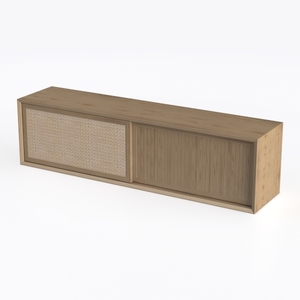
Minimalist Oak Rattan TV Cabinet 3D Model
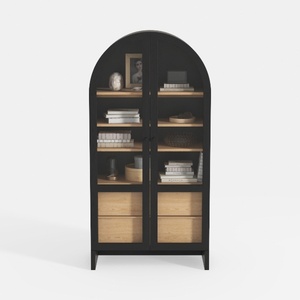
Modern Black Oak Arched Glass Display Cabinet 3D Model
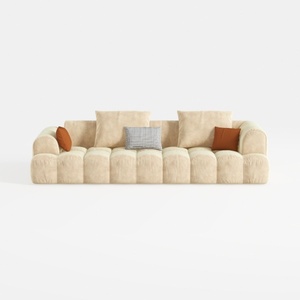

Minimalist Fabric Large Sofa With Decorative Throw Pillows 3D Model
Homestyler is your go-to platform for transforming home design dreams into reality! Enjoy its user-friendly online design tool, stunning 3D renderings, an array of design projects, and engaging DIY video tutorials. Whether you're a newbie or a pro, Homestyler makes crafting your perfect space a breeze!
Design jetzt kostenlos
































