

Organizing an Agnikula Kshatriya wedding requires choosing a venue that respects traditions, choreographs rituals effectively, and accommodates large gatherings. My strategy incorporates cultural elements—sacred fire practices, defined pathways for processions, and established seating hierarchies—with functional design considerations, including lighting, acoustics, flow, and comfort. Research by Steelcase reveals that enhancing environmental comfort and spatial organization can significantly boost guest satisfaction and engagement, with clear directional signage and spatial zoning playing a vital role in improving the overall experience. Following WELL v2 guidelines, proper lighting levels and glare reduction are crucial for maintaining alertness and spatial awareness throughout lengthy ceremonies, which are pivotal to the rituals centered around agni and vows. Additionally, using a design platform like Homestyler can simplify planning these detailed layouts.
The scale of the wedding space is essential. According to Gensler’s workplace research, thoughtful spatial design—tailored to anticipated movement flows—lowers stress and cognitive demands; this principle is equally applicable to weddings characterized by intricate processions and multiple ritual stations. Insights from Verywell Mind's color psychology indicate that warm hues foster social bonds, while cooler shades may induce calm; this interplay is especially beneficial when transitioning from the energetic baraat to the subdued havan rituals. These findings influence practical design decisions: deliberate lighting, smooth transitions in color palettes, and clearly outlined movement routes.
Core Spatial Strategy for Ceremony and Reception
I architect the hall with three main areas: a central ritual zone, a hospitality section, and a pedestrian thoroughfare. The ritual core features the mandap and sacred fire, positioned with a visual focal point that aligns with the ceremonial entrance. Surrounding it, the hospitality section comprises seating, hydration stations, and prasad distribution, all while preserving the sanctity of the fire. An enviable circulation spine enables elders and priests to navigate freely, preventing photographers and planners from crossing into ritual spaces. For testing seating arrangements and circulation density ahead of time, a room layout simulation tool, such as Homestyler, can be invaluable in visualizing potential configurations.
Mandap Orientation and Ritual Ergonomics
The mandap should be visually prominent while providing safe distance from the agni. I designate 2 to 2.5 meters of clearance around the fire, utilizing non-slip, heat-resistant flooring and concealed paths for lighting and audio. Seats for elders are slightly elevated to enhance their line of sight, with ergonomic chairs that support comfort; prolonged seating necessitates backrest angles of 95 to 105 degrees and armrests for easier transitions. The priest’s workspace is ideally positioned adjacent to a low table for puja items, with a designated tray for ghee and ash, maintaining a clean surface at all times.
Lighting: Illumination, Color Temperature, and Glare Control
WELL v2 lighting recommendations focus on reducing glare and providing appropriate task lighting where rituals take place. For the mandap, warm lighting at 2700–3000K creates a sense of intimacy without washing out rich colors like red and gold, while neutral lighting at 3500–4000K is ideal for capturing photographs at dining tables. I implement layered lighting solutions: ambient lighting for mood setting, accent lighting to highlight the mandap canopy and decorative garlands, and low-glare task lights for vow and thread-tying moments. Dimmers facilitate transitions between solemnity and celebration. It's important to balance reflectance: high-gloss surfaces can increase glare, whereas matte finishes help maintain visual comfort for elders.
Color Psychology and Cultural Resonance
Agnikula Kshatriya weddings frequently display colors like saffron, crimson, and gold—shades connected to fire, valor, and blessings. Warm reds denote auspiciousness and create collective energy, as supported by Verywell Mind’s insights linking red hues to heightened arousal and attention. To prevent sensory overload, I incorporate neutral colors—like ivory, sand, or soft olive—between vibrant accents. Textures are layered through flowers and textiles; raw silk drapes, woven runners, and brass lamps bring together cultural heritage and tactile richness.
Guest Flow, Wayfinding, and Photo Logistics
A structured guest movement plan prevents congestion at entry points, gift distribution, and dining areas. I design a continuous flow: from the welcome threshold to seating, then to the blessings queue, dining hall, and finally to the lounge exit. Discreet signage with bilingual labels and graphics—indicating water, washrooms, prasad, and elders' seating—lightens the cognitive burden on guests. Photographers are assigned specific lanes beside the circulation path, along with marked pivot points near the mandap, to minimize disruptions during the vows. For planners, an interior layout planner, possibly utilizing Homestyler, can effectively visualize guest flow while ensuring wheelchair accessibility and stroller-friendly pathways.
Acoustic Comfort: Music, Ritual Chants, and Speech Intelligibility
Research from Steelcase on sound environments shows that well-balanced acoustics enhance focus and improve the social experience. I aim for a reverberation time (RT60) between 0.8 and 1.2 seconds to ensure clarity in speech for large venues, employing soft seating, fabric banners, and acoustic panels integrated with the decor. Creating distinct sound zones involves gentle ambient shehnai or classical music near entry areas, controlled audio levels at the mandap for shlokas, and varied mixing for the dance floor once the rituals conclude. Choosing the right microphones also plays a role: cardioid mics for the priest and omnidirectional mics for group chants help maintain a natural audio balance with minimal feedback.
Elders' Comfort, Accessibility, and Human Factors
Elder-friendly seating is positioned near exits, ensuring visible lines of sight to the mandap. Aisle widths are maintained at a minimum of 1.2 meters, with resting benches every 12 to 15 meters. Step-free access ramps adhere to ergonomic best practices, using warm wood or soft metal handrails to avoid a cold feel. Restrooms are equipped with non-slip tile, grab bars, and striking color edges for better visibility. Hydration stations and light snack options remain within 30 to 40 meters of seating areas, alleviating fatigue.
Dining Layout and Service Rhythm
For traditional service, I recommend long parallel rows with 1.5 meters spacing between tables, enhancing the flow for servers transporting tiffins and water urns. Buffet layouts benefit from U-shaped setups: starters, main dishes, and desserts, which limit backtracking and minimize spill risks. Handwash stations are strategically placed near the dining entrance and exit, while used dish collection is discreetly routed behind visual screens to maintain aesthetic appeal. Consistent lighting at 3500K avoids color distortion in food presentations and ensures crisp photographs.
Materials, Safety, and Sustainability
In the vicinity of the fire, I recommend using Class A flame-resistant materials for the canopy and backdrop. Flooring around the mandap should consist of dense wool rugs or treated jute to provide adequate traction. To promote sustainability, I opt for durable textiles featuring low-VOC finishes and reusable floral arrangements to minimize waste. Brass and wood details are not only aesthetically pleasing but also withstand high traffic over time. Waste segregation stations—distinguishing organic waste, recyclables, and ceremonial remnants—are strategically placed at service back-of-house and near dining exits.
Visual Balance and Ritual Rhythm
Creating a visual hierarchy sets the stage: vertical emphasis around the mandap, horizontal calm across seating arrangements, and rhythmic ornamentation through repeated motifs—such as lotus designs, sunbursts, and geometric borders. Clean centerlines are essential for processions, complemented by flanking alcoves for family photographs and gift blessings, guiding the viewer's focus back to the mandap.
Contingency Planning and Timeline
Effective planning accommodates potential delays and adverse weather. I prepare covered areas for baraat contingencies, silent backup generators, and additional seating for unexpected guests. The ceremony timeline allocates setup time for florals, sound checks, and priest rehearsals, including a pre-vow buffer period to quiet the hall and dim lighting for ambiance.
Coordination with Priests and Families
Prior to the event, I collaborate with the priest to outline ritual steps, including fire placement, seating arrangement, mantra sequence, and offerings. Family liaisons manage seating priority — ensuring elders, close relatives, and special invitees are accommodated. I prefer a small backstage preparation area for puja essentials with secured storage to maintain organization and safeguard sacred items.
Tips 1: Quick Checklist for the Function Hall
- Ensure mandap clearance of 2–2.5m with non-slip, heat-resistant flooring.
- Implement layered lighting: warm 2700–3000K for rituals and 3500–4000K for dining.
- Maintain RT60 around 0.8–1.2s for clarity in speech.
- Ensure aisles are at least 1.2m wide, including ramps and handrails for accessibility.
- Arrange U-shaped buffets with dual handwashing stations.
- Create distinct acoustic zones for chants versus music.
- Position elder seating with direct sightlines and nearby hydration options.
Tips 2: Guest Experience Enhancers
- Utilize bilingual signage and intuitive iconography.
- Introduce calm lounge areas for elders and children.
- Design photographer lanes and pivot markers for ease of access.
- Break up vibrant colors with neutral palette pauses.
- Implement waste segregation and discreet back-of-house dish routes.
- Prepare backup generators and weather contingency strategies.
FAQ
Q1: How should the mandap be positioned for visibility and safety?
A1: The mandap should be centered along a primary axis, ensuring a 2–2.5 meters clearance around the fire, incorporating non-slip, heat-rated flooring and discreet cable pathways. Elevate nearby seating slightly to enhance sightlines for elders without infringing on the ritual area.
Q2: What lighting levels and color temperatures work best for ceremonies?
A2: Opt for warm lighting between 2700–3000K around the mandap to foster intimacy and preserve the vibrancy of reds and golds, alongside 3500–4000K neutral lighting for dining and general photography needs. Dimmers and glare control through matte finishes are essential for visual comfort during lengthy rituals.
Q3: How can I reduce echo and improve speech clarity?
A3: Aim for an RT60 around 0.8–1.2 seconds by utilizing fabric drapes, upholstered seating, and discreet acoustic panels. Establish audio zones: softer ambient music can be played near entry areas, with controlled sound levels for chants and priest microphones within the ritual core.
Q4: What seating plan suits large Agnikula Kshatriya gatherings?
A4: Implement concentric or axial seating arrangements complemented by a clear circulation pathway. Ensure that elder seating is prioritized near exits with unobstructed views. Use a room design visualization tool like Homestyler to simulate layouts and aisle widths, ensuring accessibility for wheelchairs and strollers.
Q5: How do I manage guest flow from entry to dining?
A5: Design a systematic loop: starting at the entry and blessings, leading to seating, then prasad distribution, dining, and lounge exit. Introduce bilingual signage with understandable icons indicating water, washrooms, and elders' seating to facilitate navigation, supported by wayfinding markers at critical decision points.
Q6: Which materials are safe and durable around the sacred fire?
A6: Select Class A flame-rated materials for canopies and backdrops, employ dense wool or treated jute rugs to ensure grip, and incorporate brass or wooden accents for durability. Ensure dedicated trays for ghee and ash collection are available, along with organized waste segregation for ritual leftovers.
Q7: What ergonomic considerations improve comfort during long ceremonies?
A7: Use chairs designed with backrest angles between 95 and 105 degrees, equipped with armrests and lumbar support. Maintain aisle widths at a minimum of 1.2 meters and install resting benches every 12 to 15 meters. Ensure hydration stations and light snack options are accessible within 30 to 40 meters of seating areas.
Q8: How can I balance vibrant cultural colors with visual calm?
A8: Base vibrant shades like saffron, crimson, and gold with neutral color pauses—such as ivory, sand, or soft olive—and utilize matte finishes to minimize glare. Enhance the aesthetic with texture through raw silk, woven runners, and brass lighting elements to provide depth without overwhelming visuals.
Q9: What contingency plans should be in place?
A9: Prepare covered entry areas for rain contingencies, incorporate silent generators for uninterrupted power, arrange spare seating for unexpected attendees, and establish a structured backstage area for puja preparations. Allow buffer time prior to the vows to relax the hall ambiance, adjust lighting, and finalize sound checks.
Q10: How do I coordinate with priests and families effectively?
A10: Collaborate with the priest to map out ritual sequences, seating configurations, and offerings. Delegate family liaisons for establishing seating priority based on hierarchy. Implement a locked storage area for puja items to maintain cleanliness and order.
Q11: What dining layouts best support efficient service?
A11: Opt for long parallel rows for traditional service with a spacing of 1.5 meters between tables, or implement U-shaped buffet stations to minimize backtracking. Provide handwash facilities at both entry and exit points, ensuring that the collection of used dishes is directed behind screens to maintain visual appeal.
Q12: Are there recommended tools for planning complex layouts?
A12: Definitely. A room layout tool like Homestyler can help visualize aisle widths, seating densities, and accessible pathways, reducing the need for trial and error. Testing processional paths and service areas aids in identifying potential bottlenecks prior to event execution.
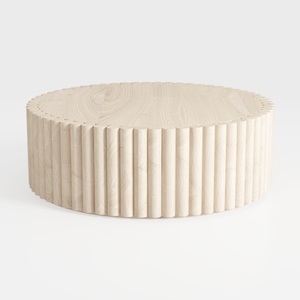
Minimalist Solid Wood Fluted Round Coffee Table 3D Model

Minimalist Boucle Fabric Tufted Sofa 3D Model
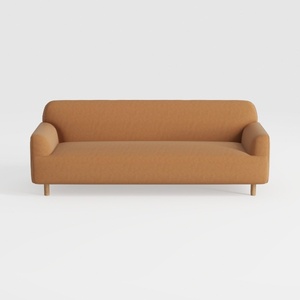
Minimalist Fabric Wooden Legs Sofa 3D Model
If you're looking to transform your space, Homestyler is the ideal platform for you. With its user-friendly online design tool, stunning 3D renderings, and a wealth of DIY video tutorials, you’ll find everything you need to unleash your creativity and bring your design visions to life!
Design jetzt kostenlos
































