Re:Form – AI Design for Better Life Through Adaptive Reuse
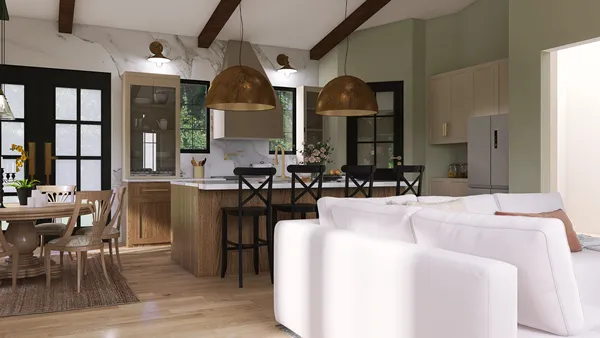
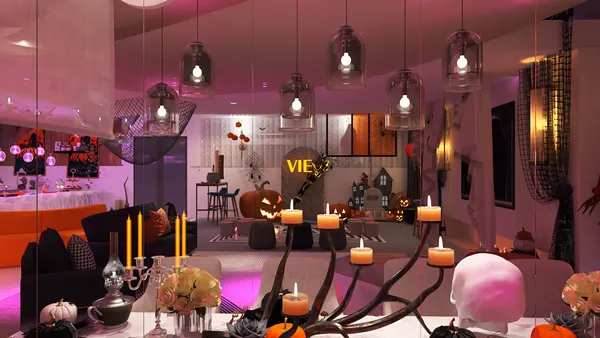
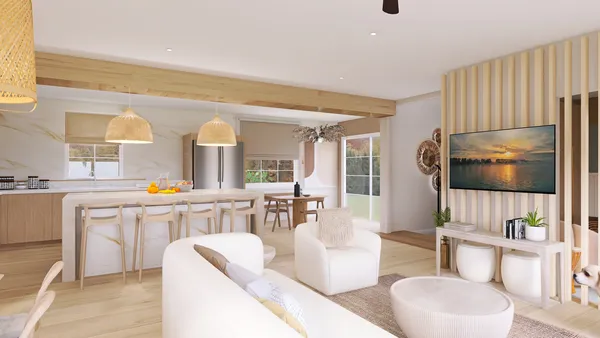
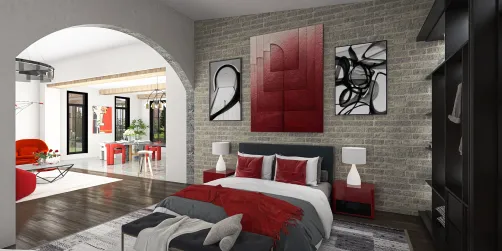
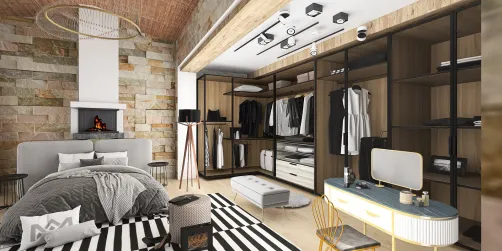
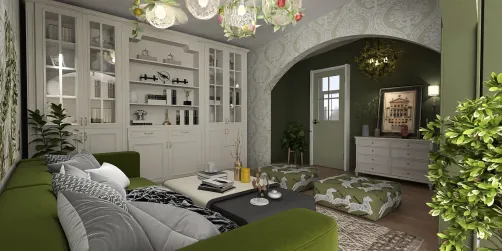
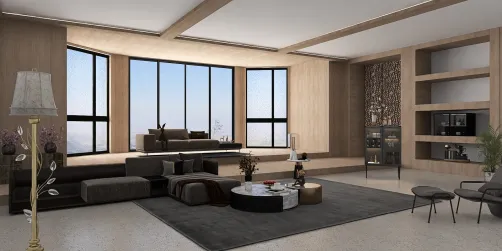
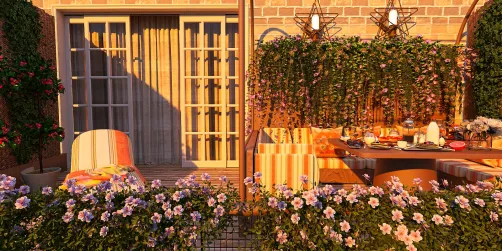
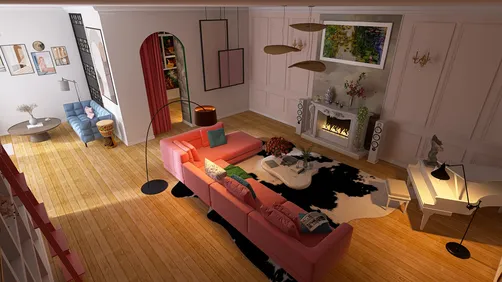
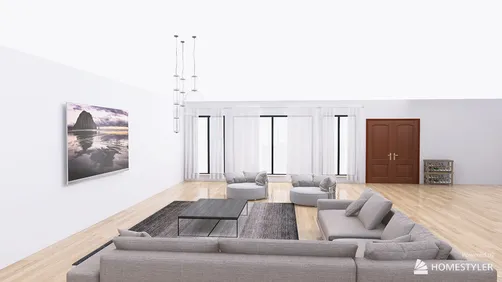
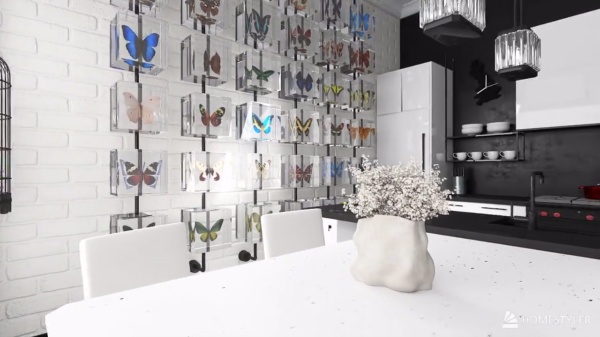
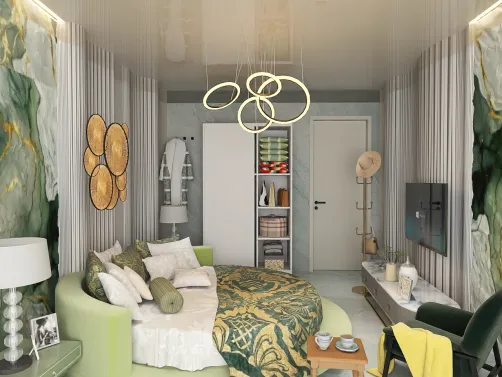
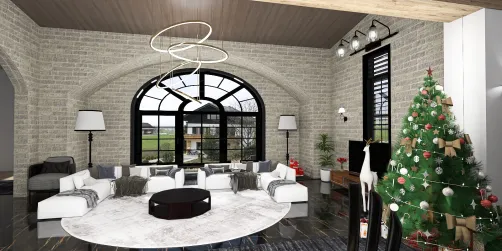
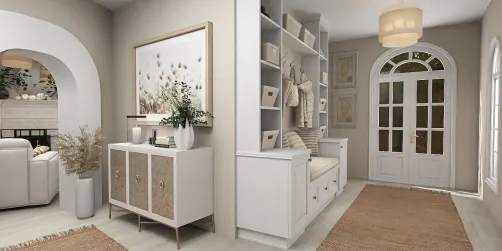
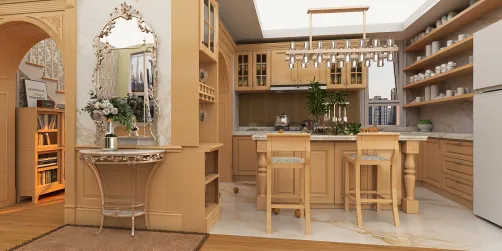
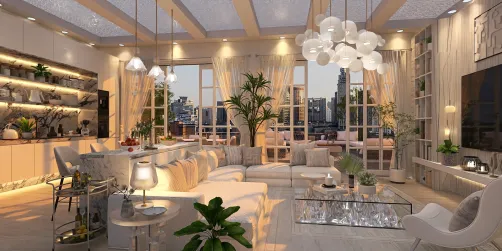
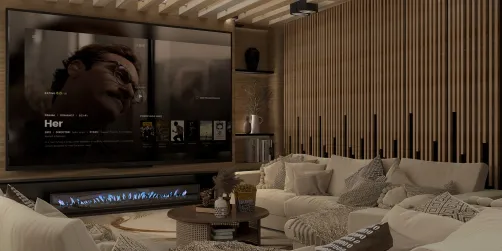
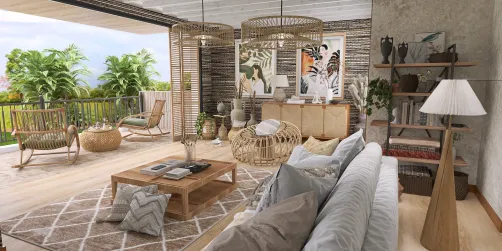
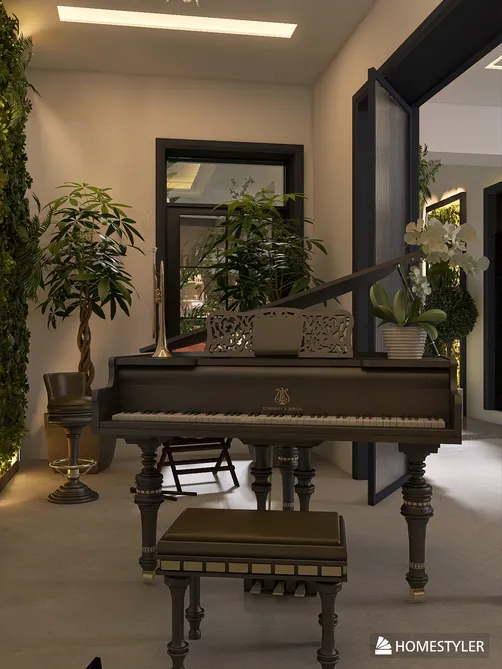
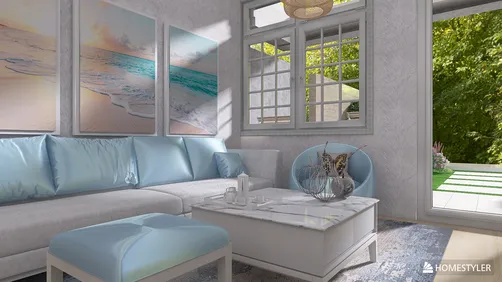
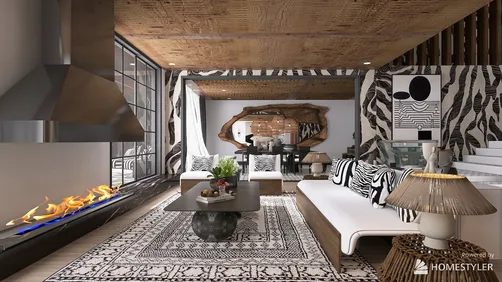
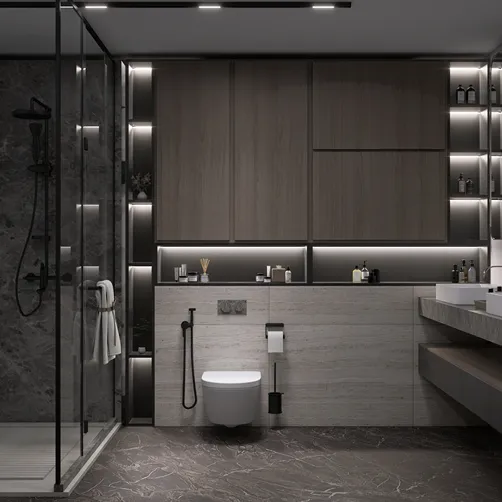
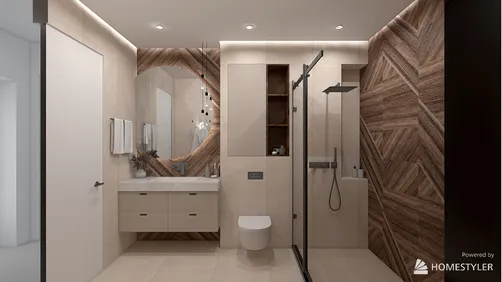
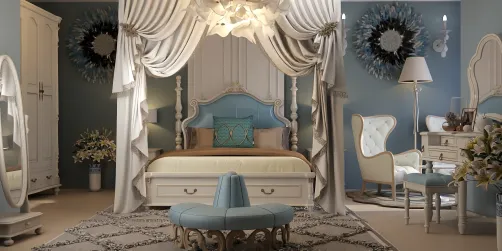
Design Concept:Re:Form transforms a decommissioned rural school into an AI-enhanced urban co-living and learning community. The project merges adaptive reuse, workforce housing, and lifelong education into one sustainable ecosystem. By preserving the school’s structural integrity and repurposing its classrooms into private quarters, co-learning labs, and wellness hubs, Re:Form demonstrates how design intelligence can regenerate existing architecture into connected, human-centered living spaces. AI Function Application:AI tools informed every phase of Re:Form’s transformation. AI space-planning optimized room layouts with minimal structural change; lighting simulation balanced natural and artificial light; material analysis suggested low-VOC, regionally sourced finishes; and predictive energy modeling guided passive ventilation and thermal comfort. These integrations reduced waste, costs, and environmental impact while improving livability and wellness. Competition Theme:Attention – Adaptive reuse of an abandoned rural school attracts focus on sustainability and social regeneration. “Re:Form” demonstrates how AI design transforms existing spaces into thriving, human-centered ecosystems — a true Design for Better Life. Interest – AI-driven analysis reveals how design intelligence can extend the building’s lifespan and community relevance.reveals hidden potential within existing walls, mapping light, flow, and comfort. Desire – Users envision a dignified, connected lifestyle blending co-living, Gaining affordable housing, shared learning, and daily wellbeing. Action-Re:Form proves that AI can drive adaptive reuse for social regeneration, showing how smart design directly creates a better life for people and planet. Project Status:Currently in the AI-assisted modeling and visualization stage, using Homestyler and complementary tools to refine spatial planning, lighting, and user experience scenarios prior to physical prototyping.
Design Concept:Re:Form transforms a decommissioned rural school into an AI-enhanced urban co-living and learning community. The project merges adaptive reuse, workforce housing, and lifelong education into one sustainable ecosystem. By preserving the school’s structural integrity and repurposing its classrooms into private quarters, co-learning labs, and wellness hubs, Re:Form demonstrates how design intelligence can regenerate existing architecture into connected, human-centered living spaces. AI Function Application:AI tools informed every phase of Re:Form’s transformation. AI space-planning optimized room layouts with minimal structural change; lighting simulation balanced natural and artificial light; material analysis suggested low-VOC, regionally sourced finishes; and predictive energy modeling guided passive ventilation and thermal comfort. These integrations reduced waste, costs, and environmental impact while improving livability and wellness. Competition Theme:Attention – Adaptive reuse of an abandoned rural school attracts focus on sustainability and social regeneration. “Re:Form” demonstrates how AI design transforms existing spaces into thriving, human-centered ecosystems — a true Design for Better Life. Interest – AI-driven analysis reveals how design intelligence can extend the building’s lifespan and community relevance.reveals hidden potential within existing walls, mapping light, flow, and comfort. Desire – Users envision a dignified, connected lifestyle blending co-living, Gaining affordable housing, shared learning, and daily wellbeing. Action-Re:Form proves that AI can drive adaptive reuse for social regeneration, showing how smart design directly creates a better life for people and planet. Project Status:Currently in the AI-assisted modeling and visualization stage, using Homestyler and complementary tools to refine spatial planning, lighting, and user experience scenarios prior to physical prototyping.



Więcej projektów według Jenna Morley Interiors
Zobacz więcej